In The Interview Room | A complete In My Mom Era conversation
Death. There. I said it.
It’s not exactly the subject most of us are eager to bring up over dinner, is it? We talk about birthdays, vacations, babies, retirement, and everything else that comes with being alive. But dying? That’s a conversation we often avoid.
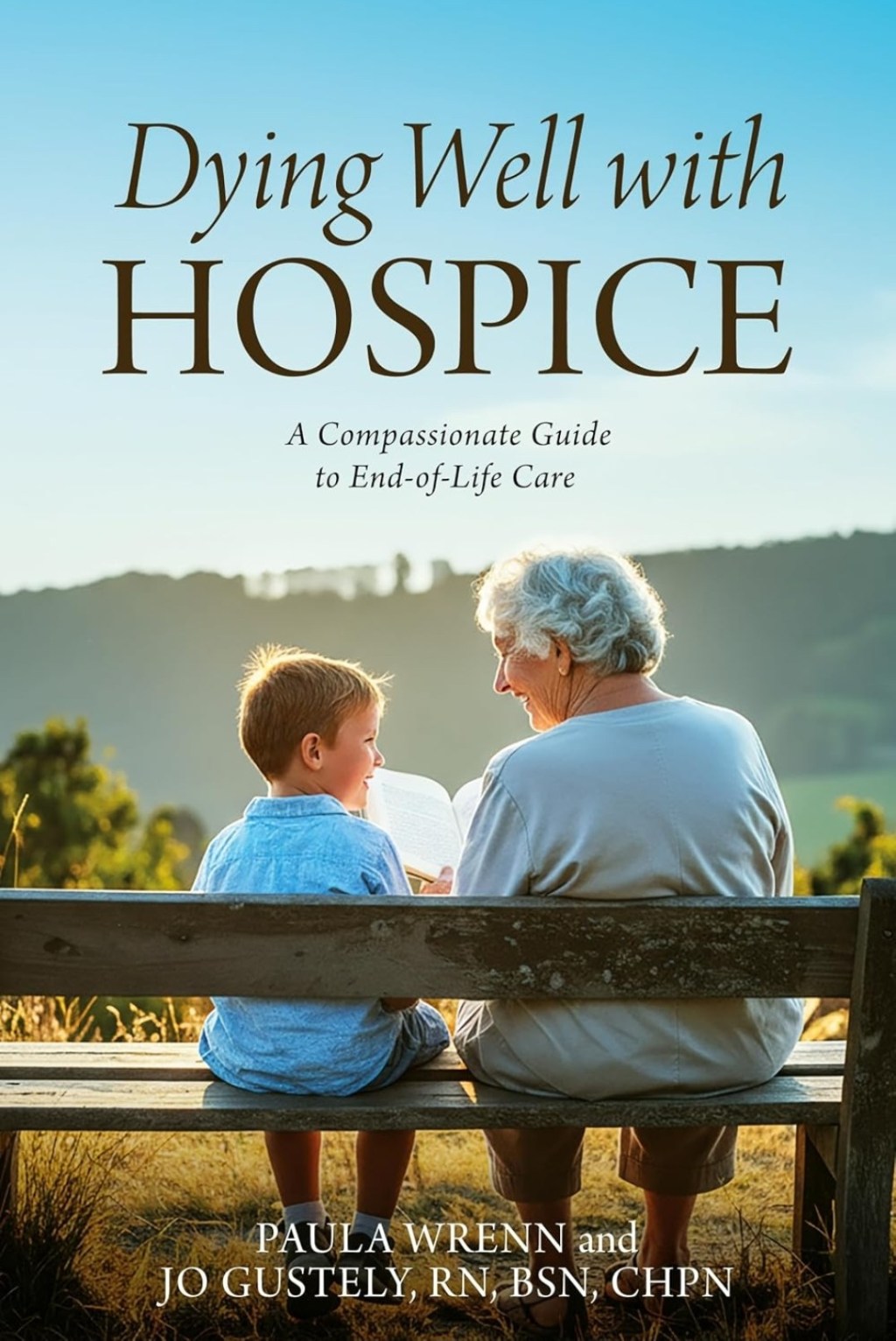
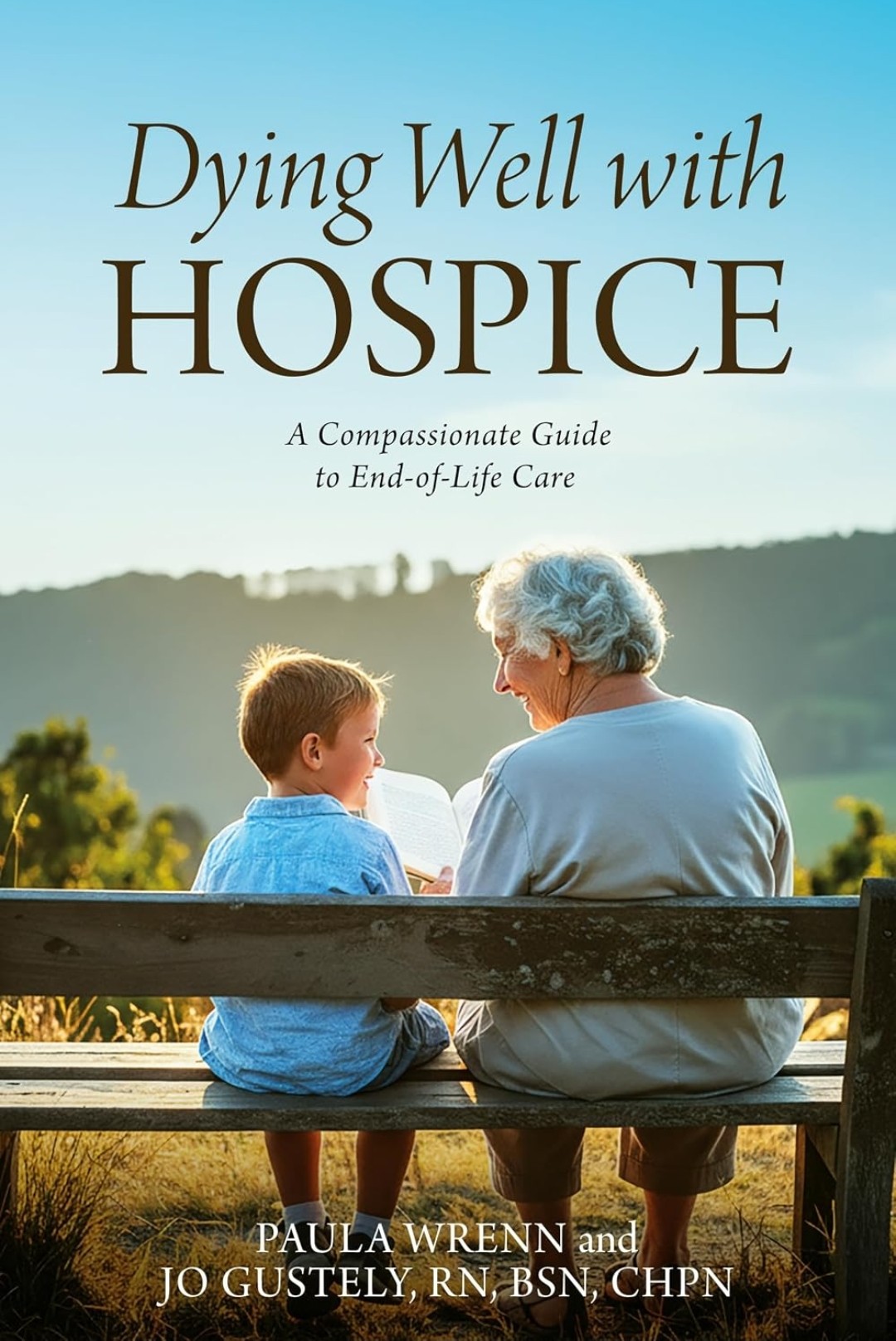
After reading Dying Well with Hospice: A Compassionate Guide to End-of-Life Care, I found myself thinking about caregiving, the people I’ve loved and lost, and the conversations we probably SHOULD be having long before we need to have them.
Authors Paula Wrenn and Jo Gustely bring two different perspectives: Paula shares her deeply personal experience caring for her husband, Jim, while Jo brings her knowledge as a hospice nurse. They both generously answered my questions for The Interview Room. Their responses are shared below, in their own words.
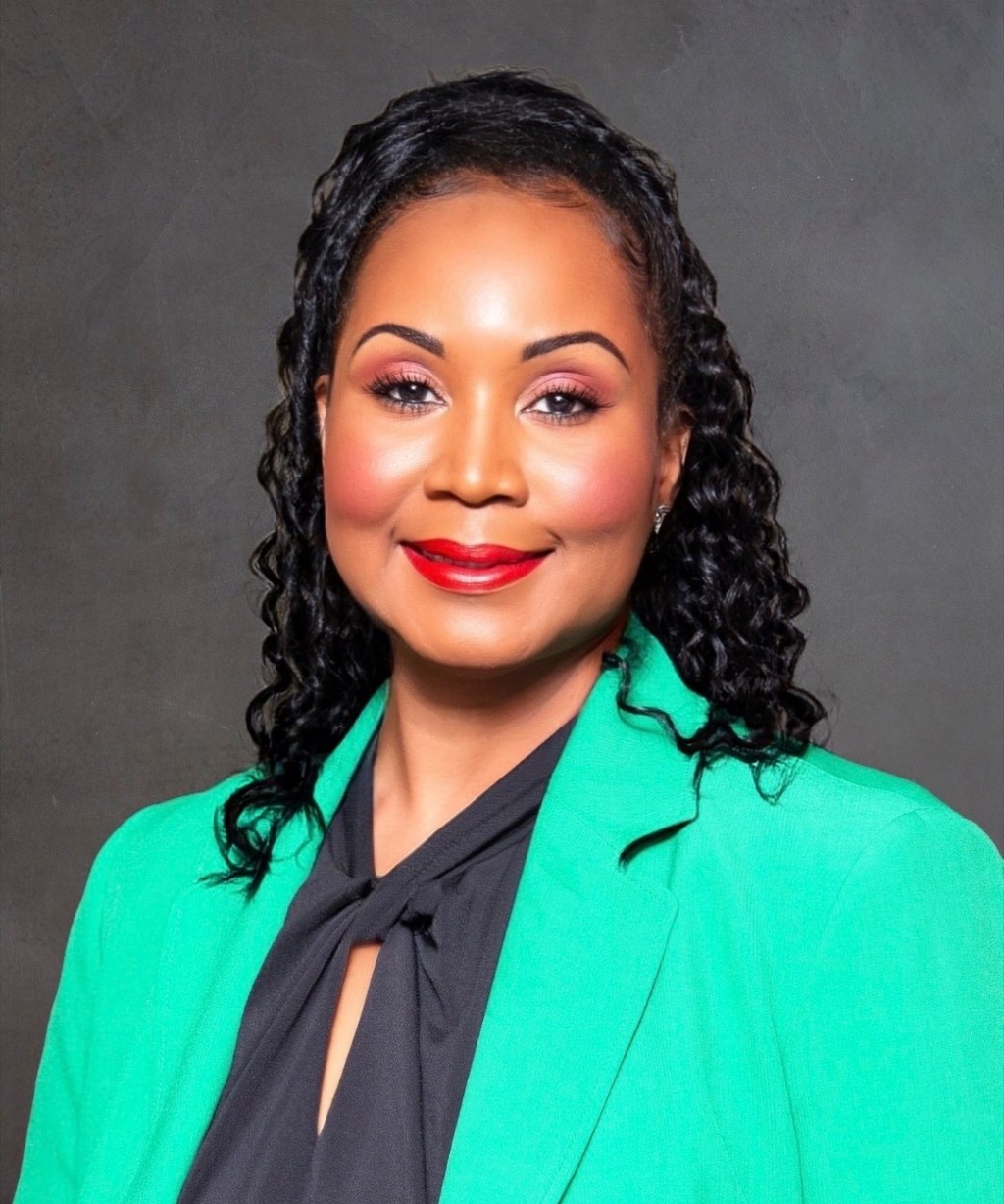
In the Interview Room: Paula Wrenn
Looking back on your journey with Jim, is there anything you wish you had done differently? Whether in his medical care, your conversations together, or simply how you spent your time, is there anything you would change knowing what you know today?
Paula Wrenn: I don’t want to sound like a know-it-all, but there isn’t anything I would change. Jim knew what he wanted and I agreed that hospice would be better for him than anything. I feel very good about his end of life.
How has your life evolved since writing Dying Well with Hospice? I understand the book was originally published in 2017, with a second edition released in 2026. What prompted the updated edition, and were there particular experiences, changes in hospice care, or lessons learned that you felt were important to include?
Paula Wrenn: Honestly, my life has been very different and changeable since I became a widow. I weathered a bout of cancer. Initially thinking I would stay in the home I shared with Jim, I left the area for a more agreeable location and decided to share a home with a friend. Though the book continued to have modest sales and received many positive comments, I began to feel it deserved more attention. Much to my delight, the response is now better as more people have become inquisitive or comfortable talking about death and dying since 2017.
Throughout the book, you address the realities of nursing homes and long-term care facilities. In your opinion, what changes at the state legislative or regulatory level would make the greatest difference in ensuring elderly residents receive compassionate, dignified, and high-quality care?
Paula Wrenn: Depending on where readers live, care facilities for the elderly may differ in terms of regulations. In my area and experience, board and care homes aren’t licensed to provide some aspects of hospice. However, local regulating agencies provide work-arounds to assist the dying, such as family involvement and physician oversight. It behooves everyone to look into how end-of-life care can be adapted to the living situation of the patient.
As a mother of five, I found myself particularly interested in how families can approach conversations about death with young children. What advice would you offer parents who want their children to understand that death is a natural and permanent part of life without creating unnecessary fear or anxiety about losing their parents or other loved ones?
Paula Wrenn: Not being a parent, I can only speak as someone who was afraid of death as a child. It seems to me that death is something parents can deal with as it touches the life of a child, such as when a grandparent is seriously ill, or a pet dies. Normalizing death as something all people and animals experience and that we feel sad we no longer see them. If I were a parent, I might also take the opportunity to point out that kindness and caring make life good for all and that it is wonderful when loved ones remember someone for the good life they lived.
One of my favorite moments in the book was Jim’s decision to have his “Slice of Life” party. I thought it was an incredibly beautiful way to celebrate relationships and say goodbye while he was still here. Looking back, how do you think that gathering affected Jim, and did it change how you experienced your own grief after his passing?
Paula Wrenn: The medication Jim was given to prepare him to withstand the rigors of hosting a party made him feel so invigorated and happy that he was delighted to present that way for his friends. Secondly, though he insisted nobody would participate in the scrapbook idea we noticed in the invitations, that was the very thing he most reacted to after the party. “I never realized how much these people loved me,” was his comment through tears while paging through the book.
You were very honest about the difficult moments in your relationship during Jim’s illness, especially when he began questioning whether to continue chemotherapy. How did you balance respecting Jim’s wishes with your own desire to have as much time with him as possible?
Paula Wrenn: Jim’s doctors initially told him that treatment might give him another year. They referred him to some experimental treatment options, which we explored but the disease was too advanced. At about 14 months, he gave up the time-consuming and uncomfortable treatments. I was concerned but reminded myself this is about him, not me. About 3 months later he began having discomfort and was unable to hold his food down. When nothing I did seemed to help, he felt it was time to call hospice. I was relieved because it was upsetting seeing him feel so bad.
You discuss the financial realities of end-of-life care throughout the book. For younger families who are raising children, managing bills, and perhaps living paycheck to paycheck, what would you consider the most important first steps in preparing for the unexpected, particularly when money is limited?
Paula Wrenn: This book is written for the 80-90% of us who will die as middle-aged or older adults due to illness or slow decline. Medicare supports the hospice effort for this cohort. It does not require a great deal of financial investment to write down one’s wishes and to develop legally enforceable documents for family. There are numerous online resources and local agencies that can help. The experience of families who lose someone suddenly is outside my realm of experience, as is the loss of a child. I focused on reaching those who could relate to Jim’s experience.
Jim encouraged you to share your experiences so that other families might approach death with less fear. If he could see the book today and the conversations it’s inspiring, what do you think would mean the most to him?
Paula Wrenn: Jim was a very generous person in his own way. He was thrifty and his friends teased him about being “cheap” but they never knew how many others he had helped financially. It was his nature to look out for others and he saw how choosing hospice could be as helpful for me as it was for him. I know he would be very pleased for every person who finds the story of his journey helpful.
In the Interview Room: Jo Gustely
While Paula shares what it meant to love someone through a terminal illness, Jo speaks from her experience as a hospice nurse. Her answers offer a practical reminder that hospice can mean comfort and support while a person is still living.
Many people associate hospice care with giving up hope or believe it’s something that should only begin during the final days of life. What misconceptions about hospice do you encounter most frequently, and what do you wish families understood sooner?
Jo Gustely: Misconceptions include that many people don’t understand you can be a terminal patient, able to walk and be engaged while on hospice. You are not required to be actively dying in bed to qualify. Another misunderstanding is that hospice uses medications to accelerate death. Rather, the medications target and manage distressing symptoms. Also, many believe that hospice care is expensive. Hospice services and medications are 100% covered by Medicare and most insurances. I would like families to understand how well a terminal patient can feel and function once hospice begins. It is possible to have bothersome symptoms managed that well. Life takes on a positive turn.
From your experience as a hospice nurse, what are some of the most overlooked emotional or physical needs of people nearing the end of life? Are there things families commonly misunderstand about what their loved one is experiencing?
Jo Gustely: Common emotional issues toward the end are unwillingness to leave loved ones, fear of what comes after death, fear of the unknown. One issue family members fail to understand is that their loved one, while sleeping or in a coma, can still hear and process spoken words. It is best to use calm, reassuring conversation in their presence and address other issues out of the patient’s range of hearing.
Paula discusses the vulnerability and loss of independence that can accompany serious illness and the need for caregiving. What advice would you give family members who are trying to preserve a loved one’s dignity while helping with increasingly personal care?
Jo Gustely: To preserve dignity when providing personal care, only one person should be in the room. Curtains should be closed to dim the room and protect privacy. As one is being washed and cleaned, parts of the body that are not being cleaned are kept covered.
For families who cannot afford private caregivers or extensive end-of-life arrangements, what resources or support services would you encourage them to investigate? Are there options that families commonly don’t realize may be available to them?
Jo Gustely: Hospice can provide trained volunteers who can visit for 2-4 hours to allow family caregivers time off or so they can run errands. Time off is also possible when a professional hospice CNA is visiting. High-end long-term care insurances may cover some services. If the family is at the federal poverty level, the family caregiver may apply to In-Home Support Services (IHSS) for state Medicaid funding so the family member can be paid to care for the patient.
The Conversation We Shouldn’t Keep Avoiding
When I finished Dying Well with Hospice, I thought about the people I’ve loved and lost—and the goodbyes I wish I’d had. But the moment I keep returning to from these answers is Jim opening the scrapbook after his Slice of Life party. He was surprised by how much he meant to the people around him. Imagine getting to discover that while you’re still here to read it.
I also appreciated Paula’s honesty about respecting Jim’s choices, even when they were hard to accept, and Jo’s reminder that comfort and dignity are part of care, not optional extras. There is a person behind every diagnosis. Even when someone is dying, they’re still living.
My sincere thanks to Paula Wrenn and Jo Gustely for answering these questions so generously, and for helping families have conversations that can be difficult—but important.
Learn More
For more about Dying Well with Hospice: A Compassionate Guide to End-of-Life Care and to connect with Paula, visit Amans Vitae Press. Jo is retired and prefers not to maintain an online presence.
Read my personal book review, Growing Old Is a Privilege Denied to Many.
For another conversation about the ways serious illness affects families, read my interview with Natasha Parker on breast cancer, motherhood, and life beyond the pink ribbon.
For current details about eligibility, benefits, and potential out-of-pocket costs, visit Medicare’s official hospice-care coverage guide.
Special thanks: My sincere thanks to Howard VanEs of Let’s Write Books for first introducing me to Paula and this meaningful book, and to Paula and Jo for sharing their time and perspectives.
Enjoying In My Mom Era? If this conversation helped you feel a little less alone in a difficult season, subscribe to In My Mom Era for more honest interviews, thoughtful book discussions, and the stories worth sharing. ❤️
💓 Kelly | I’M ME — In My Mom Era
Editor’s note: This interview was conducted in writing. Questions and answers are reproduced as supplied in our written correspondence. Experiences of hospice, Medicare and other insurance coverage, facility rules, and caregiver-support programs vary by location and individual circumstances. In particular, hospice benefits do not necessarily cover all medications, room and board, or around-the-clock personal care. Hearing or awareness in unconscious patients cannot be assumed.




Leave a Reply