In The Interview Room | A complete In My Mom Era conversation
Children can be cruel. Unfortunately, so can adults. Sometimes the words that stay with us aren’t shouted across a playground. They’re said at the dinner table, at family gatherings, or by people who genuinely believe they’re helping.
I’m 40 years old, and I still remember comments adults made about my body when I was a child. Now I’m raising five children in a world where everyone seems to have an opinion about their appearance, abilities, and even how much they eat. It’s exhausting.
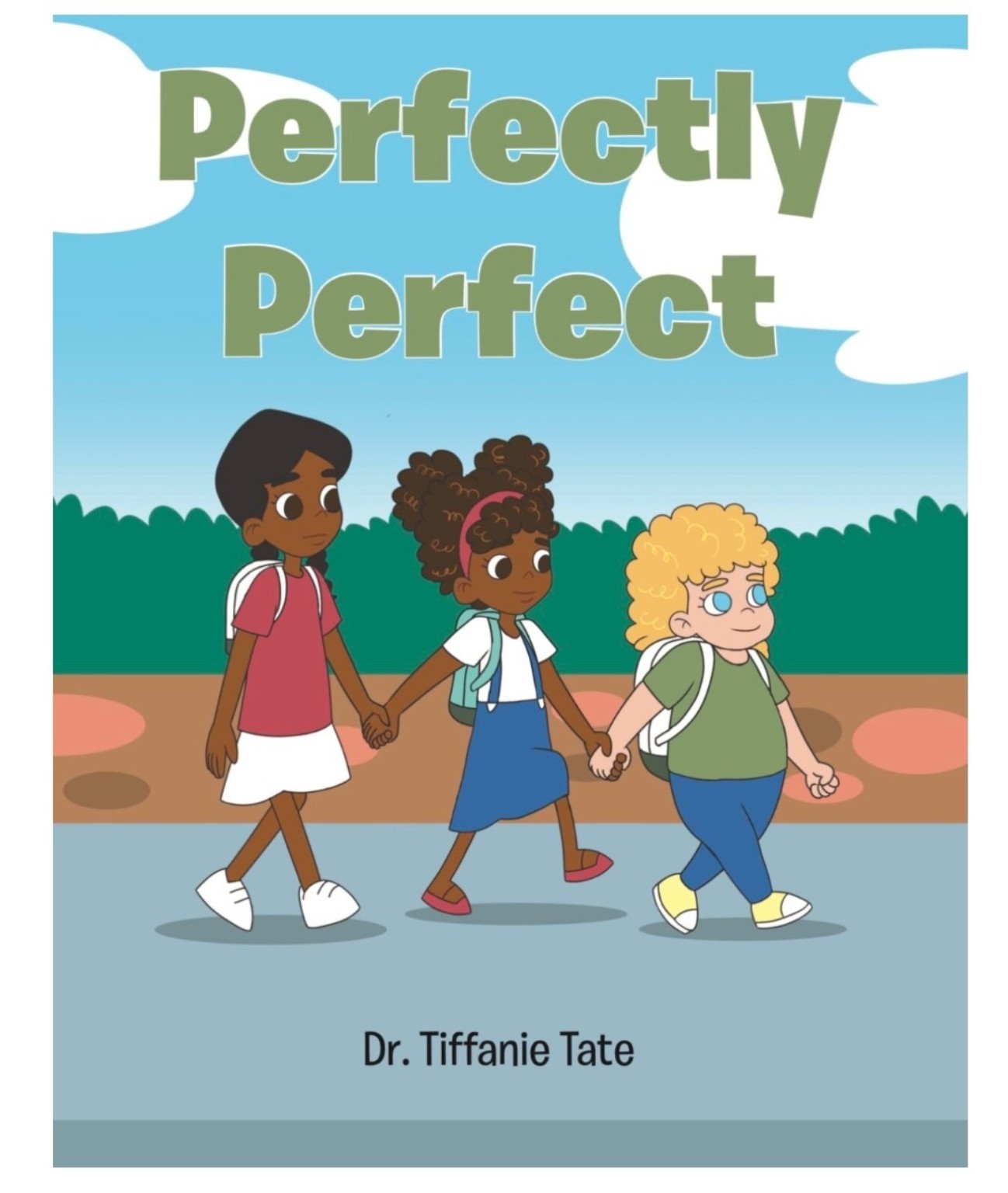
That’s why I loved Perfectly Perfect, a children’s picture book by physician and author Dr. Tiffanie Tate. Its message is simple and powerful: children are worthy of kindness, love, and acceptance exactly as they are. And plenty of adults could benefit from hearing that, too.
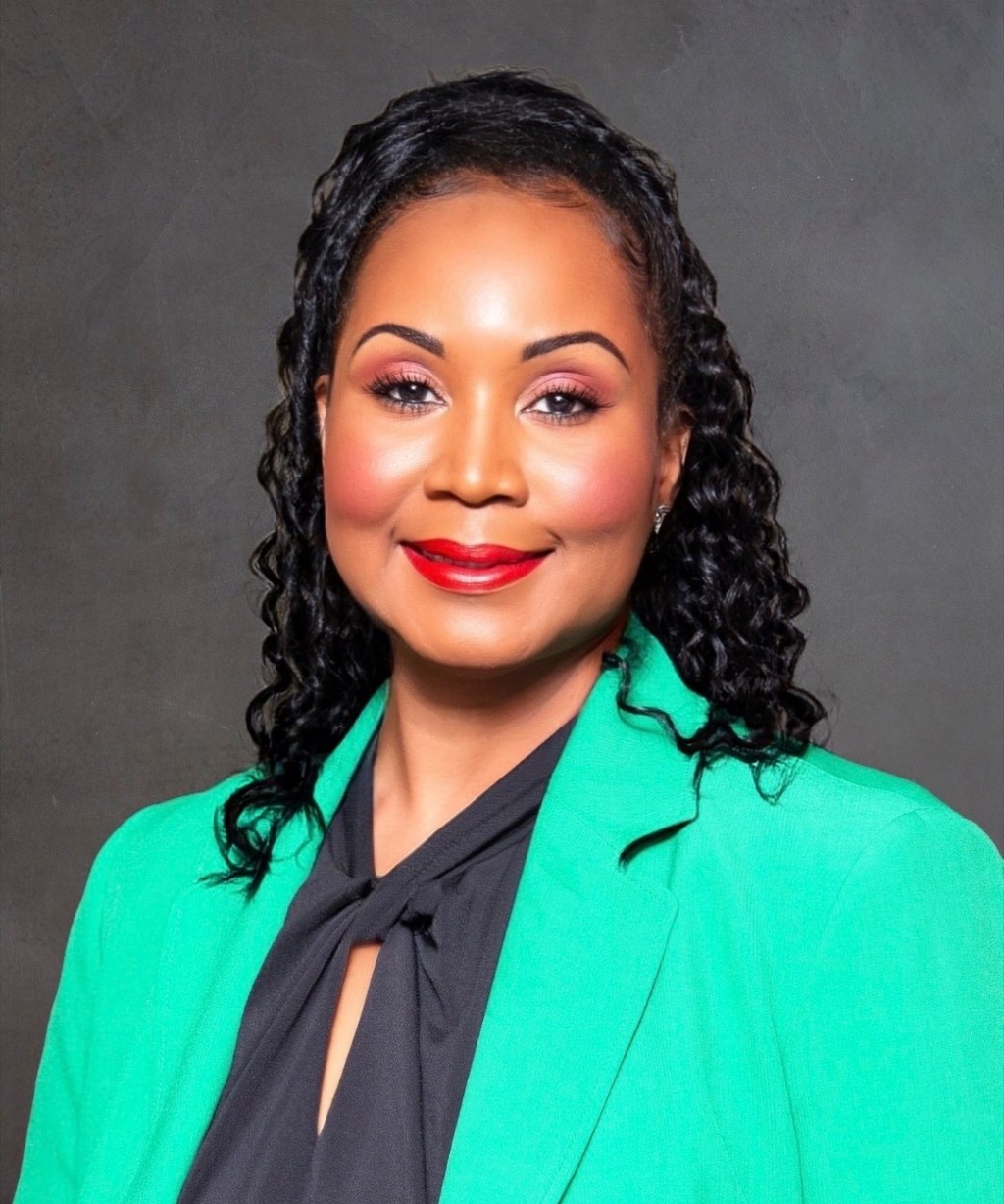
Dr. Tate joined me in In the Interview Room to talk about bullying, body image, harmful comments from adults, and raising children who know their worth.
Building Confidence Before the World Challenges It
Kelly: First, I absolutely loved Perfectly Perfect! It’s such a sweet, thoughtfully put-together story with an important message. But as parents, how do we help protect our children’s self-image when we can’t always be there to protect them? School can be incredibly tough, and children can be cruel to one another. How can we build enough confidence in our children that those outside voices don’t become the way they see themselves?
Dr. Tiffanie Tate: As parents and guardians, we can help protect our children’s self-image when we are not around by helping establish within them a strong sense of self-worth before they encounter the opinions, judgments, and expectations of others. Children need to understand that their value is not determined by how they look, what they wear, their grades, who likes them, or their weight. Regularly tell them you love them and appreciate their individuality, creativity, or other skills or abilities they might have, while teaching them that being different is not a bad thing. Read books, like Perfectly Perfect, that address the issue and ask your child to talk about the story.
Dr. Tiffanie Tate: We can build enough confidence in our children that those outside voices don’t become the way they see themselves when we teach them to believe in themselves before the world has an opportunity to make them question who they are. That is one of the primary reasons I started writing children’s books. Confidence must be developed through consistent encouragement, affirmation, acceptance, and unconditional love.
When Hurtful Words Come From Adults
Kelly: What happens when the negative comments aren’t coming from other children, but from adults? I remember adults commenting on my body when I was young and impressionable, and here I am at 40, still struggling with some of those feelings! How do we help children understand that even adults can say hurtful or inappropriate things, and that those comments don’t define their worth?
Dr. Tiffanie Tate: Unfortunately, the most damaging words that children sometimes hear do not come from another child, but from an adult that they have been taught to respect, obey, and trust. When an adult criticizes a child’s intelligence, ability, personality, or body, these words carry significant weight because children believe they know better. We must teach children that adults are human, and they can speak out of frustration and make mistakes. We must teach our children the difference between correction and humiliation. Correction will help them grow; humiliation will make them question their self-worth. Give your child permission to say, “That hurt my feelings.”
The Damage Done at the Dinner Table
Kelly: This next question is particularly personal. There are adults in my children’s lives who make comments about their eating habits. One child hears that they’re eating “too much,” while another hears that they’re eating “too little.” Two different children, two opposite criticisms, and I can already see how those comments are affecting them. Because of the nature of these relationships, simply avoiding those adults isn’t always a realistic solution. How would you advise parents to address this behavior with the adults involved while also reassuring and protecting their children? And what can we say to our children afterward to help undo some of the damage?
Dr. Tiffanie Tate: Adults need to be intentional about what is said to children because it becomes their inner dialogue. When adults constantly comment on how much a child eats, whether they are eating “too little” or “too much,” the impact goes beyond the dinner table. Children are still developing their relationship with food, their bodies, and their sense of self. As an adult makes comments about their food, they take it as a comment about who they are. They are concrete thinkers. If a child is repeatedly told they eat “too much,” they might become self-conscious, start hiding food, and feel shame. On the other hand, if they are told they eat “too little,” the child might feel pressured to eat when they are not hungry. Both contribute to body dissatisfaction, food anxiety, emotional eating, and an unhealthy preoccupation with weight and appearance.
Dr. Tiffanie Tate: As a parent or guardian, our primary concern is the safety and well-being of our children, and sometimes that means having some hard conversations with teachers, friends, or family members when their words or behaviors negatively affect our children’s self-image. It does not have to be confrontational. It can be informative: “In our household, we are teaching our child to have a healthy relationship with food and their body, and we do not want comments about how much they eat, how they look, or what they weigh. If we have health concerns, we will talk to their pediatrician.” I urge you not to sacrifice a child’s emotional well-being to protect an adult’s ego.
Raising Confident Children Without Constant Lectures
Kelly: Body image is just one of so many challenges children face today. Between social media, unrealistic expectations, bullying, and seemingly constant judgment, it sometimes feels like nothing is off-limits anymore. How do we consistently remind our children that they’re wonderful and worthy exactly as they are, without turning every conversation into another parental lecture? How can we teach them to recognize harmful opinions without shutting themselves off from the world?
Dr. Tiffanie Tate: In a world where our children see body images on video games, YouTube, and social media, it is important for parents to let them know that a lot of those images are fake and filtered. I had the privilege to read Perfectly Perfect to multiple classes at a local elementary school. I was able to ask the students if they knew that the images that they were seeing were not real, and more than half of the students did not know. This can be corrected by a quick conversation. Children don’t need a lecture about how wonderful they are; as parents spend quality time with them, they need to experience it. Provide them with a loving environment and compliment them as they show kindness, effort, accomplishments, etc., and when they don’t have any achievements, so they know that your love is unconditional.
Dr. Tiffanie Tate: It is important to teach our children that not every opinion needs the same amount of attention. This can be done by having our children ask themselves, “Does this person want to help me, or are they trying to make me feel bad? Is what they said true? Is there something I can learn from?” The goal is to raise children who can listen and take constructive criticism without losing confidence in themselves in the process. When children see adults acknowledge mistakes without attacking themselves, receive criticism without falling apart, and establish boundaries without becoming unkind, they learn that confidence and humility can coexist.
What’s Next for Dr. Tate?
Kelly: You’ve written books addressing personal safety, bullying, financial literacy, and now self-worth. That’s quite an impressive collection of important topics! So, what’s next? As I mentioned, there are unfortunately so many difficult issues facing children today. Is there another subject you’re particularly passionate about tackling in a future book?
Dr. Tiffanie Tate: At the present time, I am actively writing two projects. I am currently writing my second gospel comedy play; it is focused on foster youth. The second is a Daniel Fast Cookbook. As far as my next children’s book, my readers have requested that I write books on various topics. They plan to keep me busy for years to come. Who knows, there just might be a children’s cookbook in the future.
The Inspiration Behind Perfectly Perfect
Kelly: You’ve spent your career caring for people as a physician, and you’ve also raised two children of your own. What experiences inspired you to write Perfectly Perfect? Was there a particular moment that made you realize children needed to hear this message?
Dr. Tiffanie Tate: I recalled watching the news and hearing the story of an 11-year-old who took their life due to social media and cyberbullying in 2021. There had been previous events, but this one really stuck with me because I was already writing my books. I began to think, how can I have an impact? If I can reach elementary students and equip them with the tools they need before they are impacted, that is a life that can be saved. My goal has been to make the world better, one book at a time.
Teaching Self-Acceptance While We’re Still Learning It
Kelly: Children learn so much by watching us, and many parents struggle with their own insecurities. How can we model healthy body image and self-acceptance when we’re still working through those feelings ourselves?
Dr. Tiffanie Tate: We are allowed to be a work in progress. As parents, we don’t have to be “perfect” or have “all the answers” to teach our children how to love their own body. The key is to avoid transferring our own insecurities to our children. They are little sponges. Often, we say what we can’t eat because it will make us gain weight. If we constantly complain about our stomach, weight, and our own body or appearance, and compare ourselves to others in front of our children, they are going to internalize that as acceptable behavior. An alternative might be to say, “I plan to make healthy choices because I want to feel good.” Children are smart. This is not a pop quiz. They are listening to how we talk about everyone, not just ourselves. It is okay to say, “Sometimes I struggle with how I look, too, but I appreciate that how I look does not determine my value.”
Editor’s note: The final sentence of this answer has been held for clarification because the supplied manuscript appears to omit a “not,” changing the intended meaning.
What Parents Should Take Away
Kelly: Although Perfectly Perfect is written for children, I think many adults could benefit from its message, too. What do you hope parents take away from reading this book alongside their children?
Dr. Tiffanie Tate: Reading Perfectly Perfect offers parents an opportunity to have conversations that go far beyond the pages of the book. It reminds parents that children are forming opinions about themselves long before they have the emotional maturity to understand where those opinions come from. Some studies show that it can start as early as three years old. The biggest takeaway is that we must teach children that perfection is not a requirement for being loved, accepted, or worthy. Parents should use the story as an opportunity to discuss self-acceptance, individuality, body image, confidence, and the dangers of comparing themselves to others. Reading Perfectly Perfect together can initiate conversations on bullying, social media, peer pressure, and unrealistic beauty standards. Parents can remind children that they are loved and perfectly perfect as they are.
A Few Final Thoughts
There’s something about becoming a parent that makes you revisit your own childhood. Words, experiences, and feelings you thought you’d forgotten come rushing back. And when you see your children facing something similar, you want to protect them from ever feeling the way you did.
But we can’t follow our children through every school hallway or prevent every hurtful comment. We can help them carry the knowledge that they’re loved, valued, and worthy of respect.
One of my favorite moments in this interview was Dr. Tate’s reminder not to sacrifice a child’s emotional well-being to protect an adult’s ego. Sometimes protecting our kids requires uncomfortable conversations. Sometimes it means examining how we talk about ourselves. I’m not going to pretend I’ve mastered either one. But I’m learning, and hopefully my kids are learning alongside me. None of us has to be perfect. That’s the point. ❤️
For more conversations about looking out for children, read my piece on asking kids if they need help, even when they cannot find the words to ask. And for another perspective on helping children grow with confidence, creativity, and connection, visit my interview with Kim McLeod about raising creative kids.
About Dr. Tiffanie Tate
Originally from Compton, California, Dr. Tiffanie Tate is a physician, U.S. Navy veteran, mother, and author whose life has been shaped by service, resilience, and helping others. She was raised by her maternal aunt, lovingly called “Momtee.” Her interest in medicine began while volunteering to feed people experiencing homelessness in Los Angeles.
She earned a degree from the University of California, Santa Barbara, and her medical degree from Meharry Medical College, then completed an obstetrics and gynecology residency at Vanderbilt University Medical Center. After a life-altering injury, six surgeries, and medical retirement, she began writing poetry. Her books explore personal safety, bullying, financial literacy, and body image. She is also a mother of two young adults and has worked in community education and radio.
Visit Dr. Tate’s official website and follow her on Instagram (@drtiffanietatemoore).
Special thanks to Dr. Tiffanie Tate for providing a signed review copy of Perfectly Perfect and participating in this written interview. And a heartfelt thank-you to Josie at Ascot PR for helping connect us and making this feature possible.
Enjoying In My Mom Era? Care about raising children who know their worth? Subscribe to In My Mom Era for more honest parenting conversations, meaningful books, and interviews that stay with you. ❤️
Raising five perfectly imperfect little humans, one brave conversation at a time,
Kelly, I’M ME ❤️





Leave a Reply