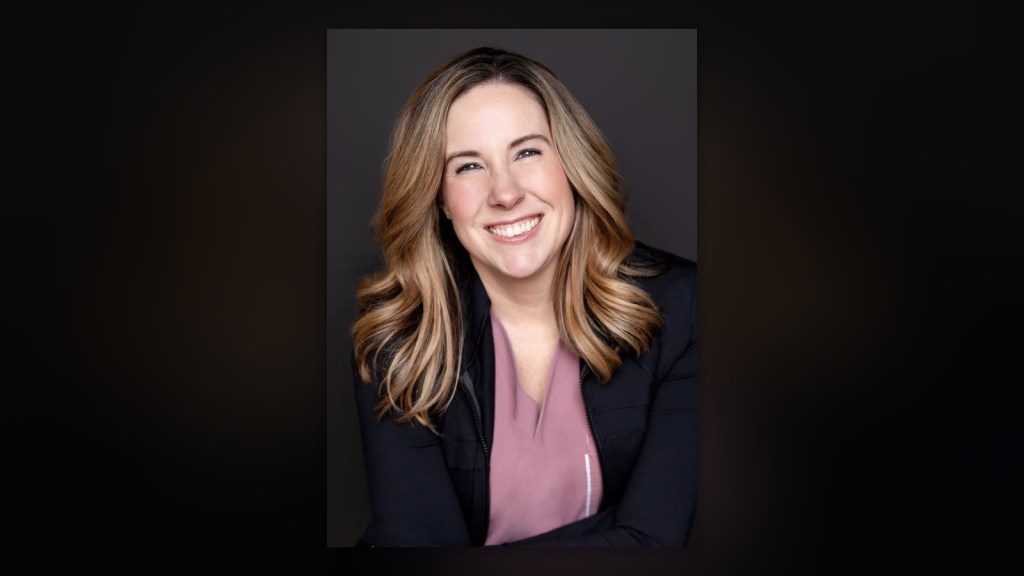
In The Interview Room | A complete In My Mom Era conversation
An In My Mom Era interview
Every October, the world turns pink. Sneakers. Cookies. Ribbons. Products marketed in the name of breast cancer awareness. Then November arrives, the displays disappear, and the women living with cancer are still living with cancer.
That’s why I wanted to speak with Natasha Parker. She knows the healthcare system as a registered nurse, but in December 2022, at just 37 years old, she learned what it was like to be the patient. Diagnosed with stage 2B triple-negative breast cancer, she faced intense treatment, decisions about her care, and the terrifying task of explaining cancer to her two young children.
Natasha is now the founder of Radiant Transformations, where she advocates for education, patient self-advocacy, and practical, year-round support. We talked about motherhood during chemotherapy, medical bills, mental health, what happens after treatment, and what people can do when they want to help beyond buying something pink.
This is a long conversation, and it deserves the space. Natasha’s responses appear below in full.
In the Interview Room
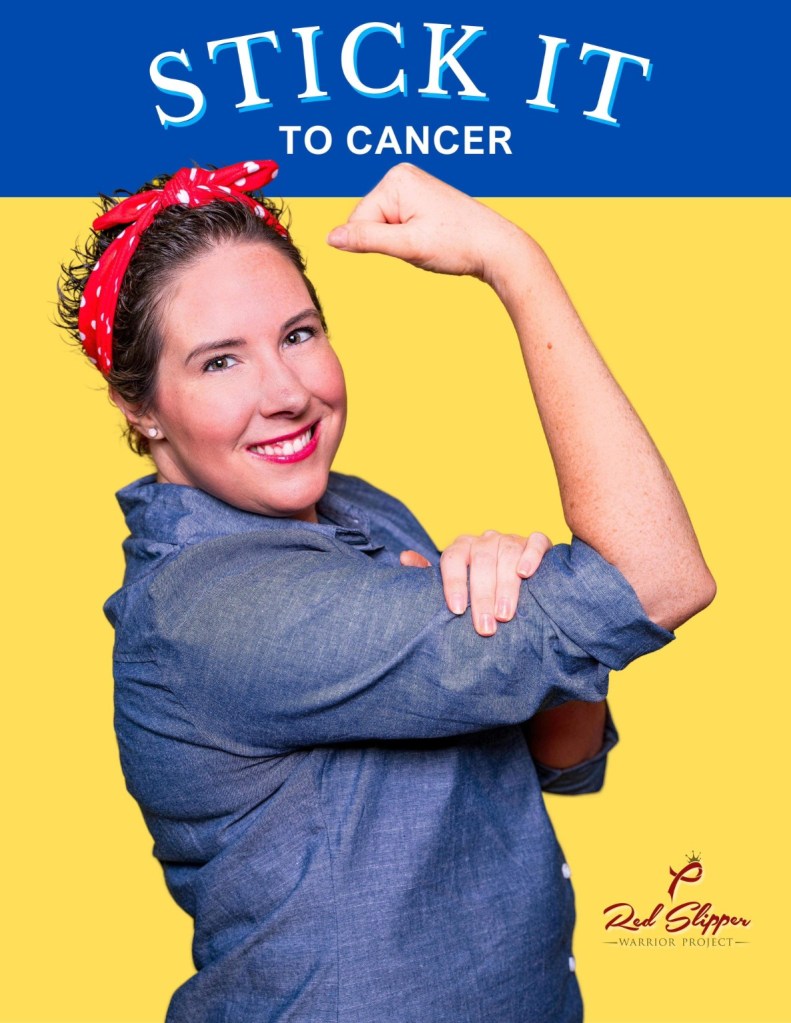
1. “Cancer” is the diagnosis everyone hopes to avoid, both personally and for the people they love. Is there something you wish people who have never experienced cancer understood about the experience that goes beyond the treatments, physical changes, and medical appointments?
I wish people understood that cancer affects so much more than your physical health. It changes how you see the world, how you think about your future, and sometimes even how you experience ordinary moments with your family.
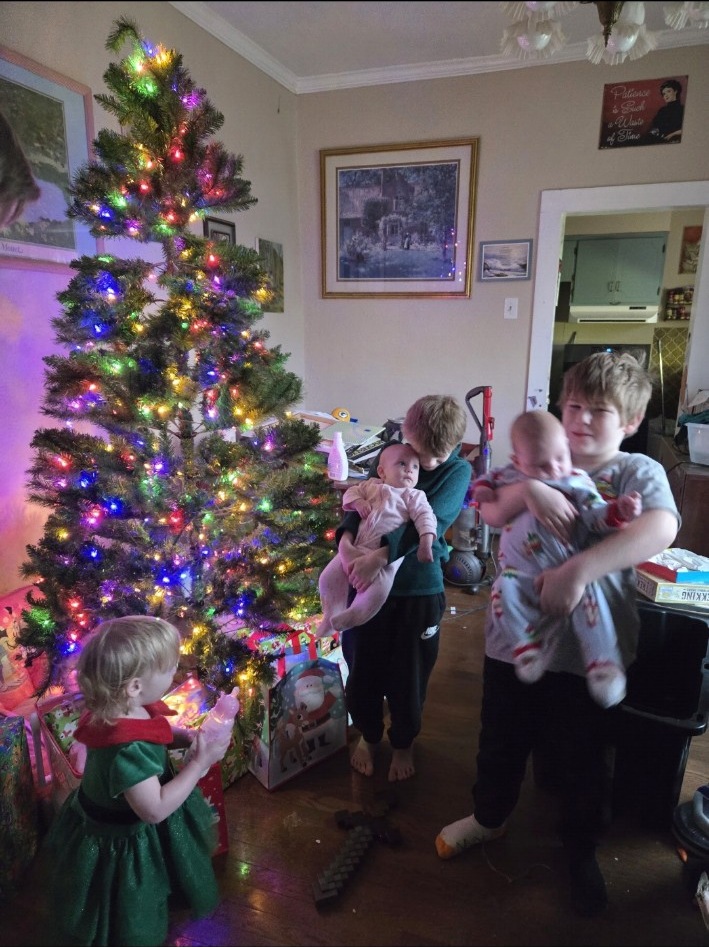
When I was diagnosed in December 2022, I was 37 years old and preparing to celebrate Christmas with my children. I remember being absolutely terrified that it might be my last Christmas with them.
That’s a thought no mother ever wants to have.
I didn’t know what the future would hold, but I knew I was going to give everything I had to be there for my children for hopefully decades to come.
And that’s something people don’t always see. You can be wrapping Christmas presents, helping with homework, or sitting at a school performance while simultaneously wondering how much more time you’ll have with the people you love.
I also wish people understood that gratitude and grief can exist together. I’m incredibly grateful to be here, but that doesn’t mean I don’t grieve what cancer has changed about my body, my health, and my sense of security.
Cancer doesn’t simply end when treatment ends. There are physical and emotional effects that can linger for years, and sometimes the person you were before cancer isn’t the person you return to afterward.
I think what most of us really need is for people to listen, without trying to fix everything or tell us how we should feel. We don’t always need encouragement to be strong. Sometimes we just need permission to acknowledge that what we’re experiencing is really hard.
2. You were diagnosed with Stage 2 Triple-Negative Breast Cancer at just 37 years old. What exactly is triple-negative breast cancer, what does Stage 2 mean, and how did understanding your diagnosis affect the way you approached treatment?
I was diagnosed with Stage 2B triple-negative breast cancer, or TNBC, at 37 years old.
In simple terms, triple-negative means the cancer doesn’t have three markers that physicians commonly use to guide breast cancer treatment: estrogen receptors, progesterone receptors, and HER2 overexpression. Because those markers aren’t present, certain treatments that work for other breast cancer types aren’t effective for TNBC.
TNBC also tends to be more aggressive and has a higher risk of recurrence, particularly during the first several years after diagnosis.
Stage 2B meant that my cancer was invasive but hadn’t been identified as having spread to distant organs. Breast cancer staging considers several factors, including tumor size, lymph node involvement, and tumor biology.
As a nurse, I understood much of the medical terminology, but I quickly discovered that being knowledgeable about cancer and actually having cancer were two entirely different experiences.
When I first learned I had cancer, my immediate reaction was that I wanted it out of my body. I couldn’t understand why we wouldn’t just proceed directly to surgery.
My medical team recommended chemotherapy first, which is called neoadjuvant chemotherapy. I eventually came to understand that treating the cancer before surgery allows physicians to assess how well it responds to treatment. Imaging, such as ultrasound or mammography, can help monitor changes in the tumor during treatment, while the pathology results after surgery provide important information about how much cancer remains. Those findings can also help guide additional treatment decisions.
It took a lot of effort for me to change my mindset.
Instead of viewing the cancer as something I needed to immediately cut out of my body, I began trying to approach my body with love and compassion. I had to remind myself that my body had carried me through so much already and that I needed to give it the opportunity to respond to treatment.
I underwent 16 rounds of chemotherapy, 17 rounds of immunotherapy, a double mastectomy, 25 radiation treatments, and six months of oral chemotherapy. I later underwent DIEP flap reconstruction.
Understanding my diagnosis helped me participate more actively in my care. But perhaps the biggest lesson was learning that I could be an informed patient while also acknowledging how scared and vulnerable I felt.
3. You spent years working as a registered nurse before finding yourself on the other side of the healthcare system. How much resistance did you encounter when advocating for your own care? Did you ever consider changing doctors or seeking another opinion?
One thing I learned very quickly is that being a nurse doesn’t automatically make it easy to advocate for yourself.
When you’re the patient, there’s an emotional component that changes everything. You’re making decisions about your own life, often while you’re frightened, exhausted, and trying to process an overwhelming amount of information.
For me, one of the biggest decisions involved choosing where I would have surgery.
I received chemotherapy locally, but I ultimately decided to have my surgery at a well-known cancer center more than two hours from home.
Surgery was something I couldn’t control once I was under anesthesia. I needed to feel completely confident in the surgeon and the team caring for me. I wanted to know they would be thorough and do everything possible to remove the cancer.
I had information that made me uncomfortable proceeding with the surgeon initially assigned to me, so I made the decision to pursue another surgical team.
Would my outcome have been different if I’d stayed with my original team? I honestly don’t know. And I don’t think it’s fair to assume it would have been.
But I do know that I felt more comfortable with the decision I made.
That’s something I want women to understand. You are allowed to ask questions, seek another opinion, or choose a provider who makes you feel comfortable and confident in your care.
It doesn’t mean you’re questioning the entire medical profession. It means you’re participating in decisions about your own body.
As healthcare professionals, we have to remember that what feels routine to us may be one of the most frightening experiences of a patient’s life.
My biggest advice is to listen to your instincts, ask questions until you understand your options, and remember that your voice deserves a place in every healthcare decision.
4. For someone who has just received a breast cancer diagnosis and feels completely overwhelmed, what are three questions they should ask their medical team right away? Are there things patients don’t realize they’re allowed to question or request?
First, I’d tell any newly diagnosed woman that she doesn’t have to understand everything immediately. Even with my nursing background, there were things I had to learn along the way.
My three questions would be:
1. “Can you explain my specific diagnosis and why you’re recommending this treatment plan?”
Breast cancer isn’t one disease. Understanding your subtype, stage, biomarkers, and the reasoning behind your treatment plan is so important. Ask what the goals are, what other options may exist, and how your team will assess your response.
2. “What should I expect beyond the medical treatment itself, and what resources are available to help?”
Ask about physical side effects, emotional health, fertility, hormonal changes, financial assistance, childcare, rehabilitation, and support groups. You shouldn’t have to discover every resource on your own.
3. “What symptoms or concerns should prompt me to contact you, and how do I reach someone when I need help?”
It’s important to know what’s expected, what’s concerning, and who to contact when something doesn’t seem right, including outside regular office hours.
I would also add something that isn’t necessarily a question: patients deserve to be heard.
Sometimes a patient tells you she’s worried about weakness, but what she’s really afraid of is missing a family ski trip. Or she’s concerned about her blood counts because she’s terrified she won’t be able to attend her child’s school performance.
The medical concern matters, but so does the reason behind it.
I want healthcare providers to listen first, understand what matters to the patient, and then work together on a plan.
And I want patients to know they’re allowed to request explanations, additional resources, second opinions, and a voice in their care.
You are the MVP of your healthcare team. Your feelings, symptoms, and experiences matter.
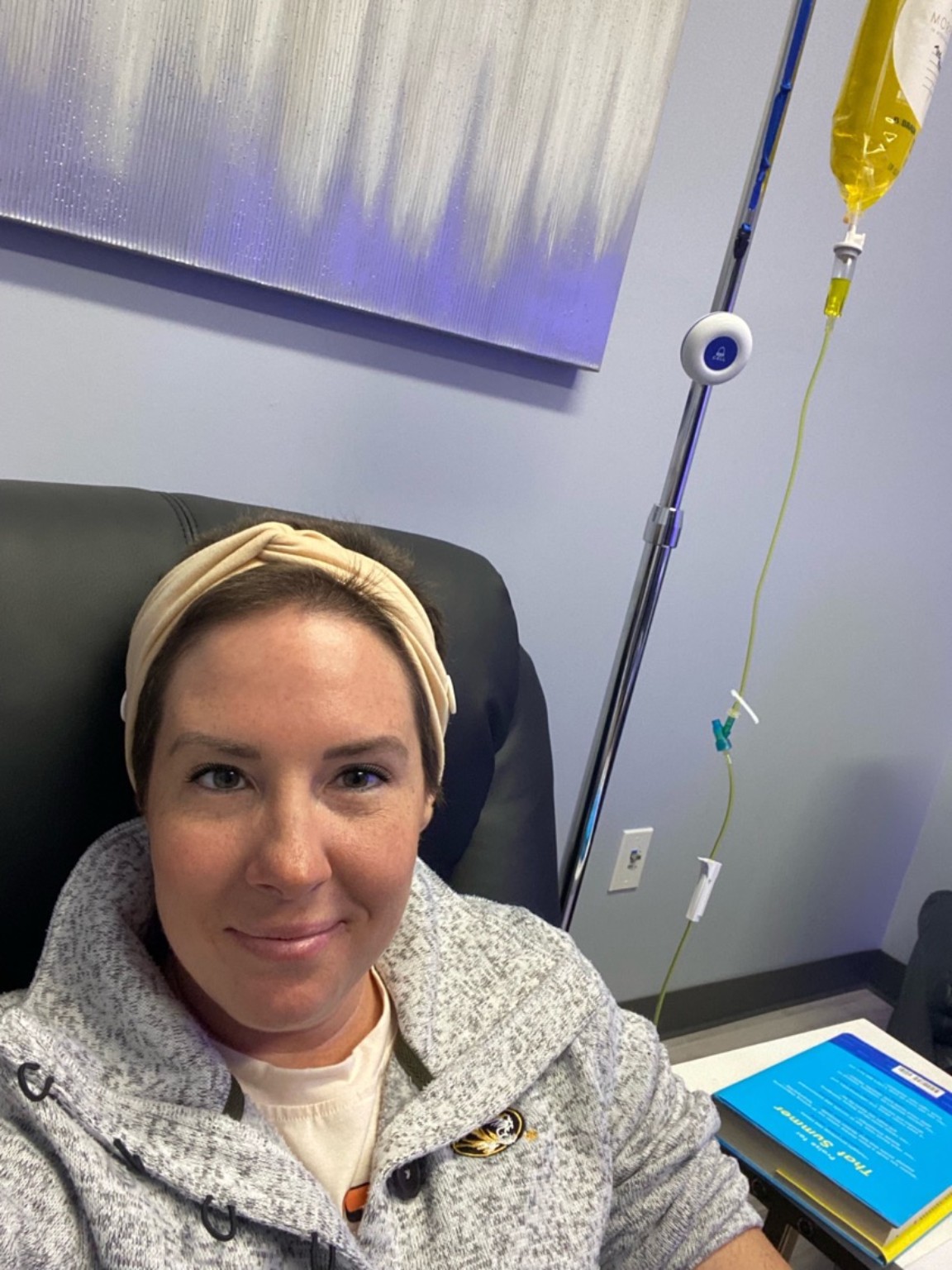
5. You’ve spoken about having to seek out your own mental healthcare during treatment. Why is there such a gap in psychological support, and what needs to change?
This is an area I’m especially passionate about because I experienced firsthand how difficult the emotional side of cancer can be.
When I was diagnosed, so much of the focus was understandably on treating the cancer. But I found myself having to seek out mental healthcare rather than having it consistently incorporated into my treatment experience.
One of the hardest moments came after my mastectomy.
I learned that my surgical pathology still showed active cancer in the tumor bed, despite everything I’d already undergone. I hadn’t achieved the treatment response I’d hoped for, and I was facing 25 radiation treatments and another six months of oral chemotherapy.
I was devastated.
I’d already endured so much, and suddenly the finish line I’d been looking toward felt like it had moved further away.
Around that time, I was also confronted with an unexpected medical bill for approximately $130,000.
Although the bill was eventually resolved and reduced to my deductible responsibility, receiving it while facing additional cancer treatment was incredibly overwhelming.
I remember being in an incredibly dark place emotionally. I was worried about my future, the financial burden of treatment, and what would happen to my family if I didn’t survive. I didn’t want to leave my family with medical debt.
Nobody should have to navigate those feelings without support.
As a nurse, I understand the demands placed on healthcare teams. Oncology care is complex, and providers are managing an extraordinary amount of information. But psychological well-being should be an essential part of cancer care, not an afterthought.
I’d love to see routine, evidence-based mental health screening that goes beyond simply checking a box. Patients need access to meaningful follow-up, counseling, social work, financial navigation, and support that continues after active treatment ends.
But even before we talk about developing new systems, I think we need to start with something incredibly simple.
Listen first.
Ask patients how they’re really doing. Give them space to answer. And recognize that sometimes the greatest concerns they’re carrying aren’t the ones that appear in their medical records.
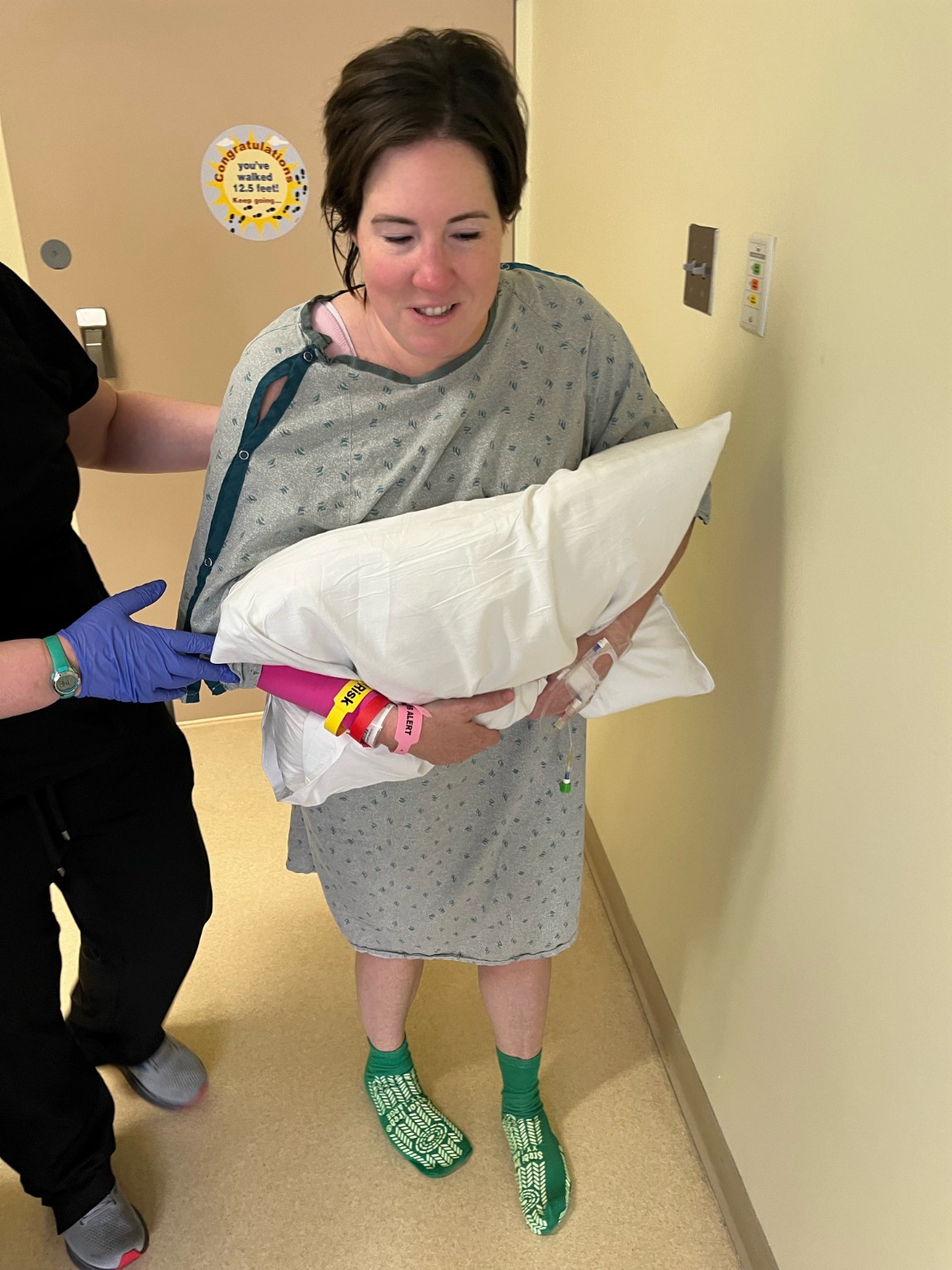
6. Did you ever experience a sense of betrayal by your own body during your cancer journey? How did you navigate those feelings while your children were watching?
Absolutely. I felt betrayed by my body.
I was only 37. Why had I developed such an aggressive cancer at such a young age?
I don’t know that I’ll ever have an answer to that question.
Before my diagnosis, I’d been through an incredibly stressful period of my life, including an unhealthy and unsupportive first marriage. I often wondered what role that prolonged stress might have played in my overall well-being.
I recognize that science hasn’t established that stress caused my cancer. But the experience made me think deeply about how I had been caring for myself, the emotional burdens I’d carried, and what I wanted my life to look like going forward.
During treatment, I had to work intentionally on rebuilding my relationship with my body.
One of the most difficult things was shifting away from viewing my body as something that had failed me.
I began trying to approach it with more compassion, reminding myself that it was also the body working to carry me through treatment and recovery.
And my children were watching me navigate all of this.
I wanted them to understand that being strong doesn’t mean never being afraid or upset.
Sometimes strength meant showing up for them when I could. Other times, it meant acknowledging that I was tired, needed help, or couldn’t do something that day.
I hope what they carry from this experience isn’t simply the memory of their mom having cancer, but the understanding that we can face incredibly difficult circumstances with honesty, love, and support for one another.
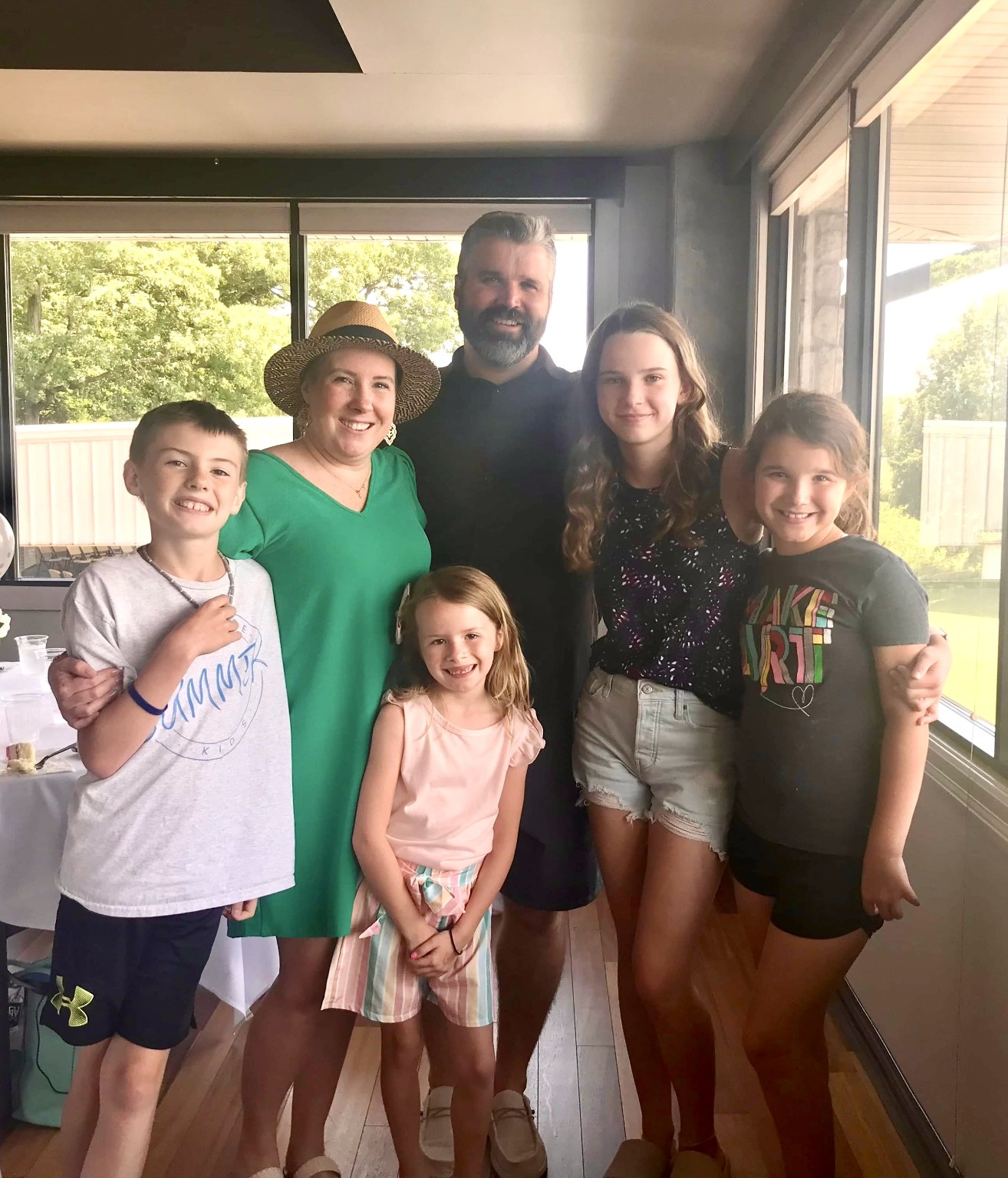
7. How did you explain your diagnosis and treatment to your children? Were there things you shielded them from, or did being honest help your family navigate what was happening?
My children were five and eight when I was diagnosed, so I knew I needed to be honest with them in a way they could understand.
When we told them I had cancer, one of their first questions was, “Are you going to die?”
That’s a question that will stay with me forever.
I couldn’t promise them something I didn’t know. So I told them that I didn’t know how long I would live or whether cancer would eventually cause my death, but I did know that I was going to give everything I had to be here with them for as long as possible.
They were, and still are, my biggest reason to keep fighting for my health.
Their reactions to the physical changes were also very different.
My son was completely on board with shaving my head. He was ready for it!
My daughter, on the other hand, didn’t want to see me without hair. For several weeks, I wore a wig around her because that was what made her comfortable.
Eventually, her curiosity grew, and she became ready to see my bald head.
Even now, she doesn’t particularly like it when I get my hair cut short. I think, to her, my hair symbolizes that I’m healthy and well.
It reminds me that children process these experiences in their own ways, and sometimes the things that seem small to us carry an enormous emotional meaning for them.
I didn’t want to overwhelm my children with information they weren’t ready for, but I also didn’t want them feeling confused or frightened by things they could see happening around them.
I tried to follow their lead, answer their questions honestly, and make sure they knew they were loved and supported throughout the process.
One memory that stays with me involved my daughter’s Easter concert. Because of treatment, I couldn’t attend in the way I normally would have. Thankfully, arrangements were made for me to experience her performance through a recording.
Those moments may seem small, but when you’re a mother going through cancer treatment, they mean everything.
Cancer was already taking away so much of the ordinary life I knew. I didn’t want it to take away every opportunity to celebrate my children.
8. Motherhood doesn’t stop for chemotherapy, exhaustion, or medical appointments. What did an ordinary day look like during treatment? What support made the biggest difference, and what wasn’t helpful?
Oof, there were so many days when motherhood and cancer treatment collided.
Cancer doesn’t stop the school schedule, family responsibilities, or the everyday needs of children.
There were times when my family needed me, but I didn’t feel physically strong enough or cognitively clear enough to drive a car, let alone manage everything I normally would.
And then there were my own appointments. I needed someone to drive me, but my husband had already missed so much work.
I wanted desperately to remain independent. I’ve always been someone who takes care of others, so accepting that I couldn’t do everything was difficult.
My mom moved from Florida to Missouri to help during the first six months of treatment, which was such an incredible gift to our family.
Another meaningful source of support came from something I organized early in treatment.
I’d researched products that might make chemotherapy and surgery easier and created an Amazon wish list that I shared on social media.
The response was overwhelming in the best possible way.
Packages began arriving from friends and family, including people I hadn’t spoken with since high school. We turned opening the boxes into a family activity, so the kids had fun participating, too.
Those gifts were about so much more than the items themselves. Every package reminded me that someone was thinking of us and wanted to help.
Of course, there were also moments when people meant well but their advice was difficult to receive.
I remember someone telling me about a friend who played pickleball throughout cancer treatment. I believe the intention was to encourage me to stay physically active, which can certainly be beneficial during cancer care when appropriate.
But I was nowhere near that headspace.
I was doing everything I could just to get through treatment, and the thought of adding exercise felt incredibly daunting.
It reminded me that support needs to meet people where they are, not where we think they should be.
Sometimes the most helpful thing you can do is offer practical assistance without adding expectations.
And one of the greatest lessons cancer taught me is that accepting help isn’t weakness.
Cancer is a team sport. Nobody should be expected to navigate it alone.
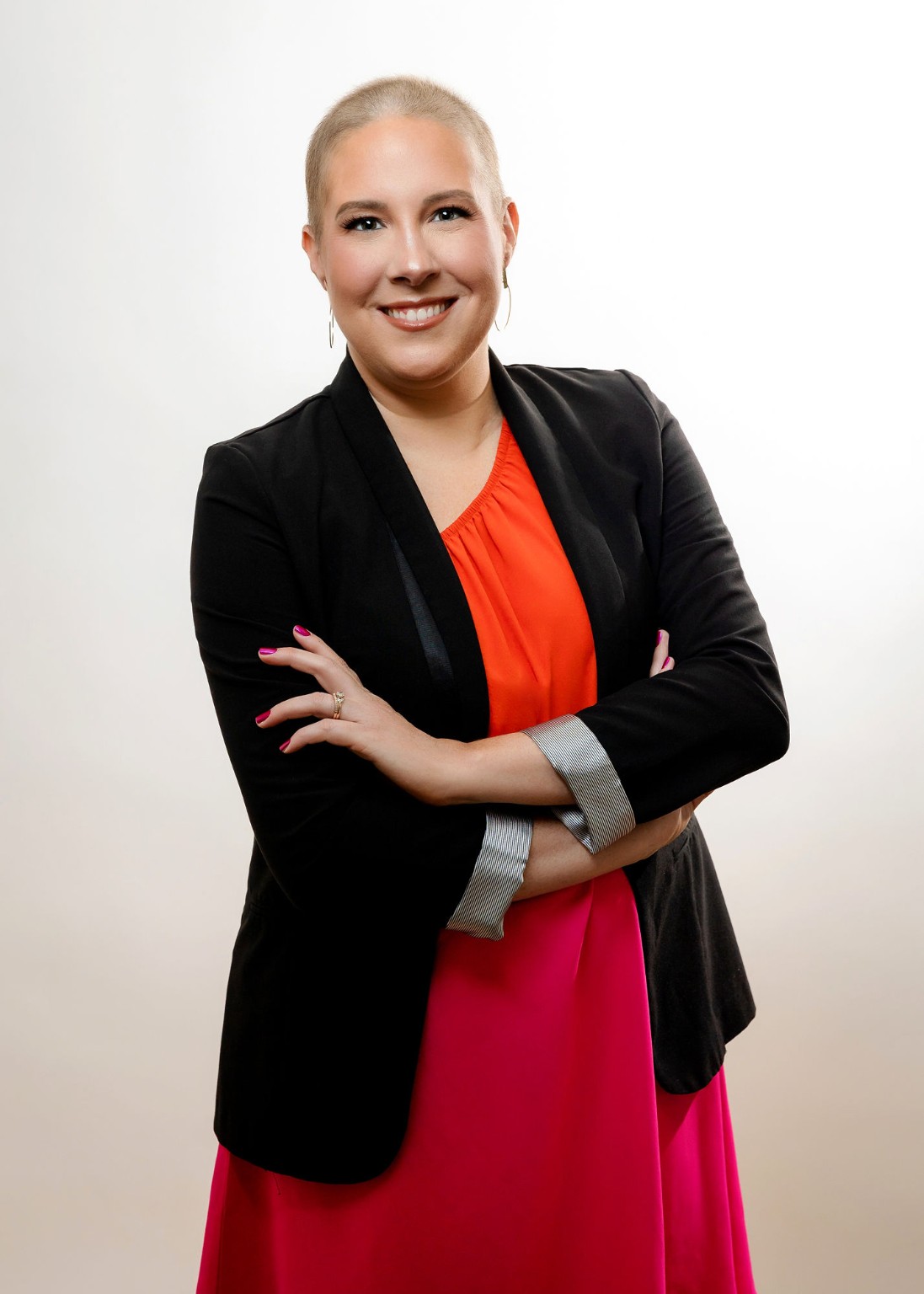
9. What surprised you most about life beyond treatment? Are there emotional or physical challenges that remain long after the world assumes you’ve moved on?
I think the biggest surprise has been realizing that finishing treatment doesn’t necessarily mean your body returns to what it was before cancer.
There are long-term effects that many of us have to learn to live with.
For me, those have included hormonal changes, physical changes, and neurological symptoms that have affected my quality of life.
I’ve tried different approaches to managing those symptoms. Some have helped lessen their impact, but nothing has completely resolved everything.
And that’s been difficult to accept.
For a long time, I think part of me was still waiting to feel exactly like the woman I was before cancer.
I’ve had to recognize that healing doesn’t always mean returning to your previous self.
Sometimes it means learning to live well in a body that’s different from the one you knew before.
I’m still working on that.
I have to remind myself that I can be healed and healthy while also acknowledging that certain things have changed.
I don’t want to spend the rest of my life wishing for the body I had before cancer, because doing so can keep me from appreciating the life I’m living now.
That doesn’t mean I have to love every change or pretend it’s easy.
It means learning to give myself grace and recognize that I’m still worthy of joy, confidence, and a meaningful future in this version of myself.
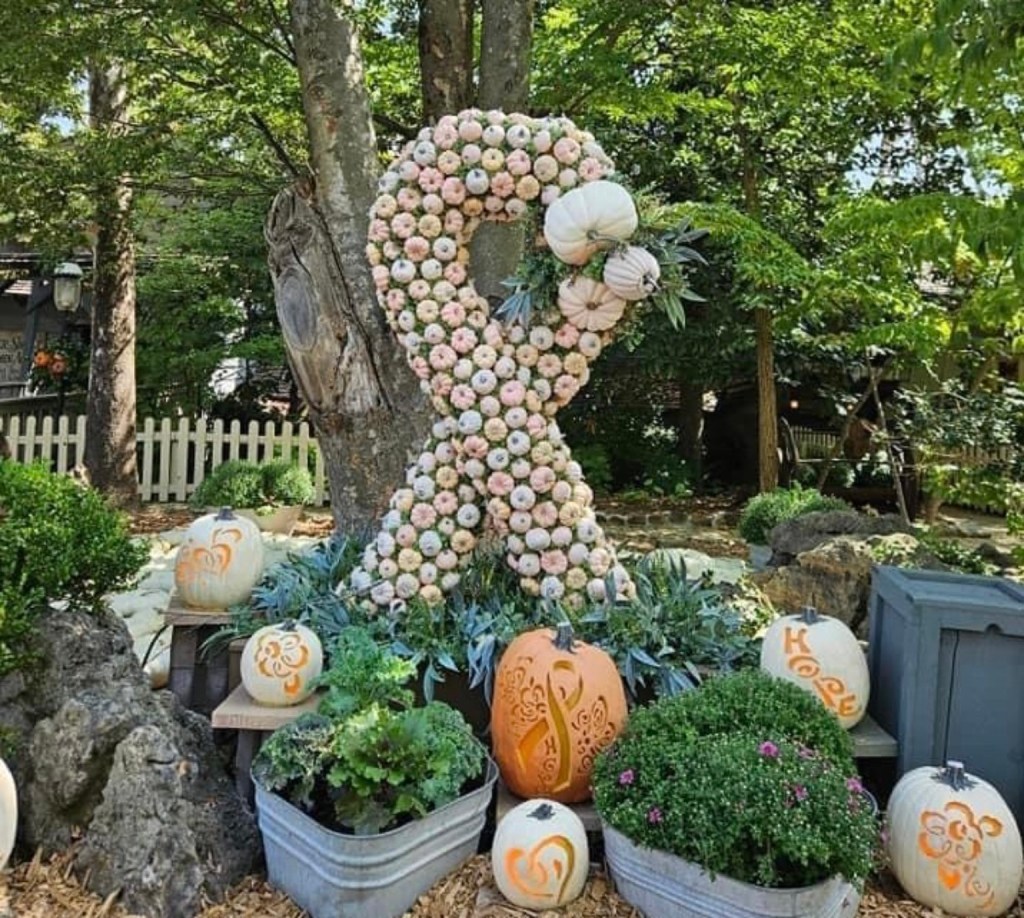
10. October brings enormous attention to breast cancer. But what happens when November arrives and that attention begins to fade? How can we maintain meaningful support year-round?
This question is deeply personal for me.
Every October, we see pink ribbons, awareness campaigns, fundraisers, and breast cancer stories everywhere.
Then November arrives, and much of that attention disappears.
But cancer doesn’t end when October does.
Women are still being diagnosed. Families are still navigating treatment. People living with metastatic breast cancer are still facing enormous challenges. And families are still grieving loved ones who should be here.
I think about three women in particular: Erin, Mairead, and Azalia.
Erin was fierce and absolutely hilarious. She had this incredible ability to make even the worst parts of cancer funny. She wasn’t afraid to fight for what she needed, and she was so intentional about creating and documenting memories with her children. I know those memories will mean so much to them for years to come.
Mairead was incredibly sweet. We were similar in age, and we both worked in healthcare. I think we were both surprised by what it felt like to experience the healthcare system from the patient’s side. She adored her husband and family, and she’d already accomplished so much at such a young age. It breaks my heart knowing cancer took away the future she was looking forward to.
I met Azalia at a cancer retreat. She was such an endearing soul, and it was obvious how deeply she loved her family. She missed the woman she was before treatment, including the physical changes cancer had brought. But I saw so much beauty in the way she continued loving her family and trying to remain positive through such difficult circumstances.
These women were so much more than their diagnoses.
They were mothers, wives, friends, and beautiful human beings with dreams for their futures.
And they should still be here.
Their stories are part of the reason I continue advocating, even though public speaking is something that makes me incredibly uncomfortable.
I want to honor their lives by continuing conversations that matter, including research funding, metastatic breast cancer, mental health, equitable access to care, and meaningful patient support.
Awareness is important. But we have to ask ourselves what we’re doing with that awareness.
Because a pink ribbon doesn’t save a life on its own. Action, research, access to quality care, and sustained support are what can make a difference.
11. If you could sit down with executives preparing their next pink-ribbon campaign, what would you ask them to do differently? How can consumers recognize meaningful corporate support?
If I could sit down with executives planning a pink-ribbon campaign, my first question would be, “How is this actually helping people affected by breast cancer?”
I think companies have an incredible opportunity to make a meaningful difference, but that requires more than putting a pink ribbon on a product.
I want to know where the money is going, how much is being donated, and what impact those donations are having.
Are they supporting research? Are they helping patients with the financial burden of treatment? Are they investing in metastatic breast cancer research, patient navigation, or access to care?
And are they being transparent about those commitments?
Consumers deserve to know whether a percentage of their purchase is being donated, whether there’s a donation cap, and which organization is actually receiving the funds.
I’m not against pink products or awareness campaigns. I simply believe we need to hold those campaigns to a higher standard.
I’d also love to see businesses think about how they support their own employees affected by cancer.
Paid leave, flexibility for medical appointments, supportive return-to-work policies, and access to mental health resources can make an enormous difference.
Breast cancer shouldn’t become a marketing opportunity for one month and then disappear from a company’s priorities.
Meaningful support should be intentional, transparent, and ongoing.
12. Through Radiant Transformations, you’re developing Radiant Roadmap and Radiant Connections. What gaps in support inspired you to create these resources?
Radiant Transformations was born from my experience as both a nurse and a breast cancer patient.
Even with my healthcare background, I found myself overwhelmed at times by the amount of information, the decisions I needed to make, and the resources I had to find on my own.
It made me wonder how women without a medical background or strong support system navigate all of this.
My vision for Radiant Transformations is to help bridge those gaps through education, self-advocacy, and meaningful community.
Right now, I’m focusing on two major projects.
The first is publishing my book, In Full Support. I want it to be a resource not only for women newly diagnosed with breast cancer, but also for the family members, friends, caregivers, and healthcare professionals supporting them.
The second is a website I’ve been developing called Stories With Care, at https://storieswithcare.org.
That project grew from recognizing how unexpectedly difficult certain movies, television shows, and other stories can be for people navigating cancer, serious illness, or grief.
I want to help people make informed choices about the content they consume by providing information about potentially sensitive themes.
Once those projects are more established, I plan to expand the educational and community resources offered through Radiant Transformations.
That includes educational webinars and a virtual support group where women can connect, ask questions, share frustrations, and feel less alone.
The Radiant Roadmap and Radiant Connections reflect that longer-term vision.
I want women to have access to understandable information and a community where they don’t feel pressured to be positive all the time.
Sometimes you just need a safe place to vent, ask a question, or hear someone else say, “I’ve been there, too.”
My hope is that Radiant Transformations becomes a place where women feel seen, supported, and empowered, no matter where they are in their journey.
13. Have you heard of Lisa Crites or The SHOWER SHIRT®? Do your initiatives include practical tools that make everyday life easier for patients?
I actually wasn’t familiar with The SHOWER SHIRT® before this interview, but I absolutely appreciate the need for products that make everyday life easier after surgery.
I used a drain holder during my own recovery, and it was incredibly helpful.
After my DIEP flap reconstruction, I had four surgical drains to manage. Trying to shower without having those drains dangling or pulling was difficult.
The drain holder allowed me to keep my hands free so I could wash my body without worrying about tugging on the drains.
It seems like such a simple thing, but when you’re recovering from major surgery, those little conveniences can make a huge difference.
Another resource I absolutely loved was a powered recliner.
I borrowed one from The Healing Chair, a nonprofit organization in Columbia, Missouri, and slept in it during my recovery from both surgeries.
When you’re dealing with pain, limited mobility, and difficulty getting in and out of bed, having a comfortable place to rest can be incredibly valuable.
And during chemotherapy, one of my favorite things was my electric blanket!
The nurses always provided warm blankets, which I appreciated, but they never stayed warm long enough. Having my own electric blanket kept me warm and comfortable during those long infusions.
These are exactly the kinds of practical resources I want women to know about.
Not everything that improves a patient’s experience requires a major medical breakthrough. Sometimes it’s knowing about a tool, nonprofit, or service that makes an exhausting day a little easier.
I hope to incorporate more of those real-life resources into Radiant Transformations as the educational initiatives continue to develop.
14. You’re preparing for the 2027 release of your book, In Full Support. What excites you most about writing it? Has the process helped you revisit your experiences? Are there plans for appearances?
Writing In Full Support: A Nurse and Thriver’s Uplifting Guide to Navigating Breast Cancer has been incredibly meaningful, but it hasn’t always been easy.
There were parts of my story that were emotionally difficult to revisit.
Remembering those first moments when I realized something was wrong, and especially having to tell my children I had cancer, brought me back to some of the darkest moments of my life.
Another particularly difficult memory was learning after surgery that I still had active cancer in the tumor bed.
I’d already gone through months of treatment, and I was hoping for better news. Instead, I was facing 25 radiation treatments and six months of additional oral chemotherapy.
Around that time, I also received an unexpected medical bill for approximately $130,000.
Although that bill was ultimately resolved and reduced to my deductible responsibility, the initial shock was tremendous.
I remember being terrified about what that meant for my family.
I didn’t want to leave them with an enormous amount of medical debt if I didn’t survive.
The emotional weight of those experiences was overwhelming, and writing about them has required me to confront some feelings I hadn’t fully processed.
But that’s also part of why this book matters so much to me.
I know there are women sitting in their homes right now, newly diagnosed, frightened about their futures, trying to understand medical information, and wondering how they’re going to manage everything.
I want them to know they aren’t alone.
There are so many people, resources, and support options available, even if finding them sometimes takes more effort than it should.
I want women to understand that leaning on others isn’t weakness and that they are the MVP of their healthcare team.
Their feelings matter. Their symptoms matter. Their experiences matter.
As a nurse, I want to provide accurate, approachable education. As a thriver, I want to provide the reassurance and compassion I know are so important.
The book is scheduled for publication in 2027 through Morgan James Publishing.
I’m excited about opportunities to connect with readers through speaking engagements, interviews, community events, and conversations about cancer care and self-advocacy. Specific appearances are still being explored.
More than anything, I hope this book reaches women at the moment they need it most.
If even one woman finishes reading it feeling less alone and more confident in advocating for herself, that will mean the world to me.
15. Finally, what’s next in your journey? What dreams, goals, and experiences are you looking forward to?
For a long time, cancer made it difficult to look too far into the future.
I was focused on getting through the next treatment, the next appointment, the next surgery, or the next set of results.
Now, I want to dream about all the ordinary, beautiful things I once feared I might not get to experience.
I want to watch my daughter grow into a young woman. I want to walk alongside her as she matures, discovers who she is, and navigates all the wonderful and difficult parts of growing up.
I want to see my children graduate, discover their passions, choose career paths, and decide how they want to contribute to making the world a better place.
And someday, if that’s the path they choose, I’d love to see them become parents and have the opportunity to meet my grandchildren.
Those are the dreams that mean the most to me.
Of course, I also have big hopes for Radiant Transformations, my book, and the advocacy work I’m doing.
I want to keep reaching women with information that empowers them. I want to help improve the way healthcare systems listen to and support patients. And I want to continue honoring the women whose lives were cut far too short.
But I never want my entire future to revolve around cancer.
I want family vacations, date nights with my husband, celebrations with our children, and ordinary days that become cherished memories.
I want to grow older.
I want the privilege of experiencing all the seasons of life that I once feared I might miss.
Cancer taught me that we aren’t guaranteed tomorrow, but it also reminded me how much there is to look forward to.
I didn’t choose to have breast cancer, and I wouldn’t wish this experience on anyone. But I can choose how I use my experiences to make a difference.
My hope is to continue building a life filled with love, purpose, and meaningful moments, while helping other women recognize that their lives are so much bigger than their diagnoses.
Beyond the Interview
What stayed with me most wasn’t a statistic or a slogan. It was the image of a mother preparing for Christmas and wondering whether she would have another one with her children. It was a daughter who needed her mother to wear a wig until she was ready. And it was Natasha’s insistence that women deserve more than encouragement to be strong: they deserve care, information, practical help, and someone willing to listen.
The pink products may vanish from store shelves every November. The need for that support doesn’t.
About Natasha Parker
Natasha Parker is a registered nurse, breast cancer thriver, speaker, author, and founder of Radiant Transformations. Drawing on her healthcare experience and her own experience with breast cancer, she advocates for patient empowerment, survivorship, and meaningful support.
- Website: https://www.radiant-transformations.com/about
- Instagram: https://www.instagram.com/radianttransformations/
- Facebook: https://www.facebook.com/radianttransformationsllc
- Stories With Care: https://storieswithcare.org
Her Upcoming Book
Natasha’s forthcoming book, In Full Support: A Nurse and Thriver’s Uplifting Guide to Navigating Breast Cancer, is expected in early 2027 through Morgan James Publishing. In My Mom Era hopes to revisit her story with a separate book feature closer to publication.
Editor’s note: This interview was conducted in writing. The responses above are reproduced from the interview document supplied by Natasha’s media team. This article is for informational purposes and is not a substitute for personalized medical advice.
Related reading: For another perspective on the practical needs of breast cancer patients, read Beautifully Unbroken: An Afternoon with Lisa Crites, the Woman Behind The SHOWER SHIRT. Lisa’s experience led her to develop a product to help patients manage surgical drains and feel more comfortable after breast surgery.
Special thanks: My sincere thanks to Heather Bucciano for connecting me with Natasha and helping coordinate this interview. I’m grateful for the opportunity to share such an honest, meaningful conversation with In My Mom Era readers.
Kelly I’M ME
In My Mom Era




Leave a Reply