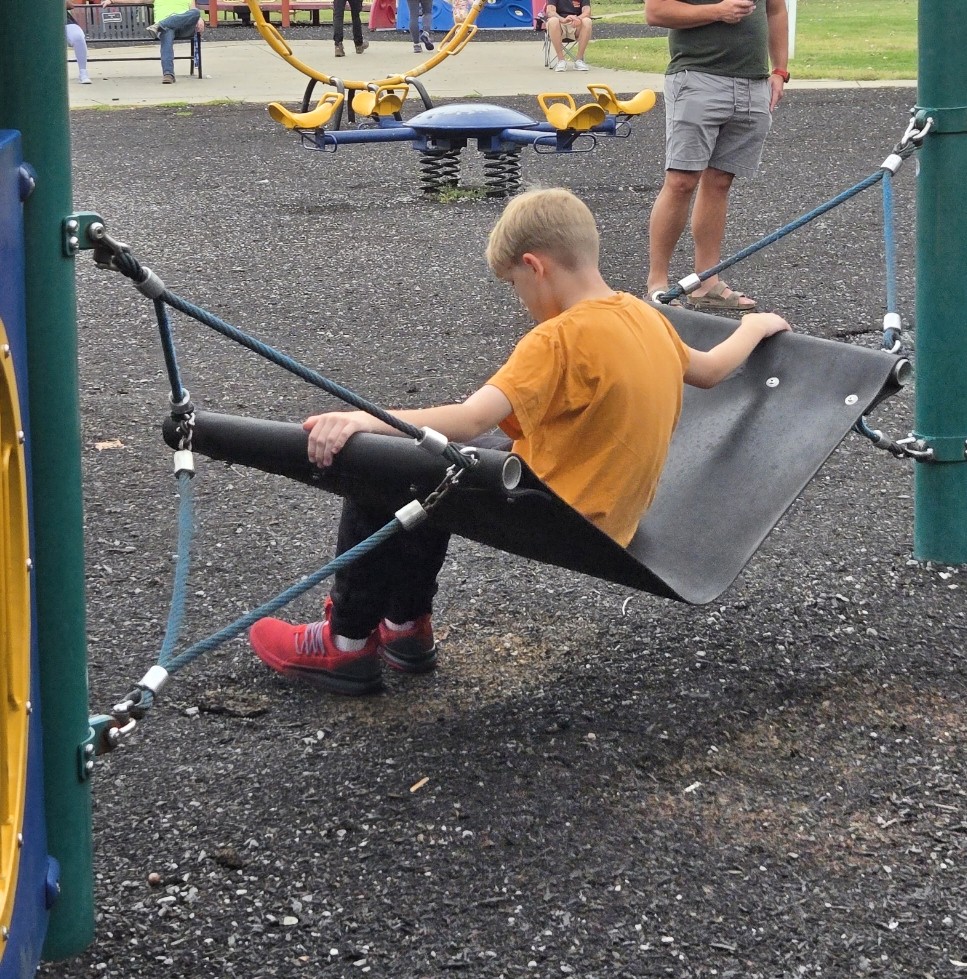
Do you ever ask a kid how they’re doing and get the same answer you always get? Fine. Good. Great. Recess was fun. We had art AND PE!
But what happens when fine isn’t fine? When a child is hurting and doesn’t know how to tell you—or when the child who needs a difficult conversation is the one who did the hurting?
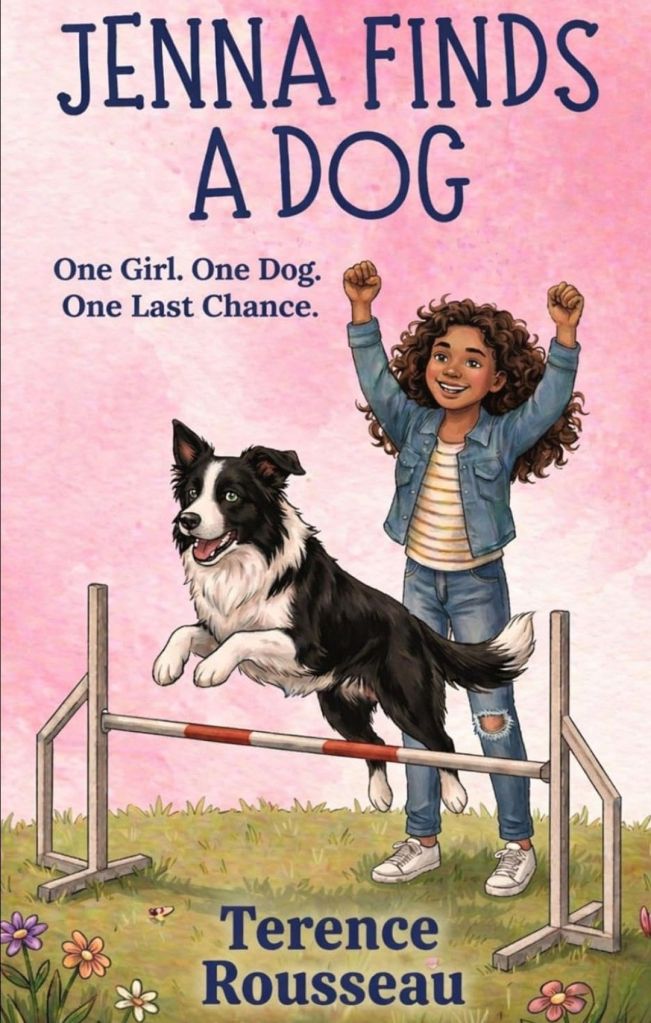
That question has been on my mind since reading Jenna Finds a Dog and interviewing its author, Dr. Terence (Terry) Rousseau. If you were following along when I finished the book and found out I’d get to interview the author, here’s the conversation I’ve been so excited to share.
Sometimes Anger Is What We See. Not What We Need to See.
Jenna is a young girl caught in a cycle of bullying, anger, and increasingly serious consequences. Terry deliberately leaves her exact age open—somewhere in the tween or teen years—so more young readers might recognize themselves in her.
Her anger doesn’t appear out of nowhere. Years of being bullied have left her hurting, and she carries that hurt home. The behavior escalates. Adults see the outbursts, but do they see the child underneath them?
We can hold children accountable while still asking why they’re struggling.
Sometimes the Kid Who Needs Help Is Your Own
I have five kids. And if there’s one thing I’ve learned about parenting, it’s that just when you think you’ve figured something out, one of them will remind you that you absolutely have NOT.
My eight-year-old son, Tristan, is one of those kids you’d assume is always fine. He’s happy-go-lucky. He randomly breaks into dance, makes the goofiest faces, and generally just loves life.
He’s also had a rough few years when it comes to other kids. There have been plenty of afternoons when he’s come home from school and told me someone was mean to him. Sometimes he’s cried. We’ve talked things through, and usually, by the end of the day, he’s feeling better and seems to have moved on.
But about a month ago, something happened that was different.
Another child told Tristan that he wished he’d never been born.
Read that again.
He wished my eight-year-old son had never been born.
And THAT hurt. Not just Tristan. Me, too.
The thing is, I ask my boys about school every single day when I pick them up. The answers are usually pretty predictable: Fine. Cool! GREAT! Recess was fun! We did math TWICE today! Or the ever-popular announcement that it was an art AND PE day.
But that afternoon, when I asked how school went, Tristan answered, “Fine.” And something about the way he said it made my mom-radar go off.
You know that feeling? When your child says everything is fine, but something in their voice tells you that everything is absolutely NOT fine? Yeah. That.
So I casually asked, “Well, what’s fine mean? Because it seems like you may have more to say…”
And the dam broke. 💔
It took some prodding, but eventually, Tristan told me what had happened. And I’m not going to pretend my first reaction was particularly graceful. Because all I wanted to do was find that other child, shake some sense into him, and ask his parents WHAT IN THE HELL?!
But obviously, that’s not what I did. Instead, we talked. How did it happen? Had Tristan said something that contributed to the argument? Did the teachers hear? Did anybody step in? Did anybody tell that child that what he’d said was unacceptable?
I can’t say the answers made me feel much better. But here’s what mattered: Tristan knew I was listening. He knew I cared.
And he knew his big brother Declan was listening, too, and was fully prepared to kick anybody’s butt who needed kicking in defense of his little brother. (For the record, we are NOT encouraging playground vigilante justice. But I did appreciate the brotherly loyalty. 😂)
His school day had been awful. I couldn’t undo that. But I could make sure the rest of his day wasn’t spent feeling alone with it. And I could remind him that what another child said about him did not determine his worth.
And Then the Tables Turned.
A few weeks later, I was running late picking the boys up from school. I pulled up beside the playground where the aftercare kids were playing, and I spotted Tristan sitting by himself. He was crying.
I immediately got out of the car and started toward him. But before I could reach him, the teacher on duty came over. Tristan had gotten in trouble. For being mean to another child.
Wait. WHAT?! My sweet, goofy, happy-go-lucky Tristan? The same little boy who had been devastated by another child’s cruelty just weeks earlier?
Apparently, the kids had been playing some sort of dodgeball-like game, and Tristan had made fun of another child. Now, this other child was actually a fifth grader—older than Tristan—but physically quite a bit smaller than T. And Tristan had called him something along the lines of “Mr. Misses the Target.”
Was that on the same level as telling someone you wished they’d never been born? No. But was it hurtful? Absolutely. And I wasn’t about to pretend otherwise just because the child responsible was mine.
The teacher explained that she’d made Tristan apologize and talked with him about why his words were hurtful. The other boy even came over and told Tristan that he forgave him, despite what he’d said.
After sitting out for a minute, Tristan had gotten up and chosen to sit alone. Which is when I arrived.
And suddenly, we were having a very different conversation from the one we’d had a few weeks earlier.
On the drive home, we talked. A LOT. We talked about what happened, from both Tristan’s and Declan’s perspectives. We talked about what Tristan was feeling. We talked about why he’d said what he said.
And then we talked about something I really wanted him to remember: How did YOU feel when someone said something hurtful to you?
It wasn’t an easy conversation. I didn’t particularly enjoy having it. And I’m pretty sure Tristan didn’t, either. But it was necessary.
Because here’s the thing. I can love my son with every fiber of my being and still acknowledge when he’s wrong. I can defend him when someone hurts him and hold him accountable when he hurts someone else. Those things aren’t mutually exclusive.
The Conversation Is the Point.
Looking back at those two afternoons, something stands out to me. In the first situation, Tristan needed me to notice that his “fine” wasn’t fine. In the second, he needed me to listen to what happened without immediately jumping to his defense or making excuses for him.
Both times, he needed an adult willing to ask questions. Both times, he needed to know he could tell me the truth. Even when the truth was uncomfortable.
What Dr. Rousseau Wants Adults to Notice
In our Q&A, I asked Terry what he’d say to kids who feel invisible, and what adults might be missing.
I think many times, it’s the adult who needs to reach out to the kid.
That line stopped me. Because it isn’t always enough to ask “How was school?” and accept the first answer. Sometimes we have to hear the inflection in one word, ask another question, and be willing to stay for an answer we may not like.
Terry shared that Jenna has a teacher who sees her potential and doesn’t give up on her. The teacher doesn’t need Jenna to be perfect before treating her as a child worth reaching.
Enter Lucky
Lucky, the dog at the heart of Jenna’s story, gives her something she’s been missing: a relationship built on trust and unconditional affection. Terry described how Jenna recognizes something of herself in the dog—another lonely soul who needs somebody.
I loved hearing that the dog wasn’t just a convenient plot device. Terry has had dogs in his life for years, and even remembers his father sitting outside talking to the family Airedale. Sometimes a connection begins without a single perfectly phrased conversation.
But Lucky isn’t a magic fix. Terry describes Jenna’s progress as uneven, with setbacks alongside growth. As he put it: “Nothing magical here. Just a girl and her dog.”
A Story That Changed Shape
One of my favorite surprises from the interview was learning that Jenna Finds a Dog began as a screenplay about a boy named Jimmy, inspired in part by patients Terry had known. After someone suggested changing the lead character to a girl, he reworked the main characters and found that the story resonated differently.
He also intentionally kept the book short and accessible, hoping even a reluctant reader might finish it in a sitting. As a mom with young readers in the house, I appreciate that.
And Terry has more stories in the works, including one told from Lucky’s point of view and a children’s story involving butterflies. Yes, I am curious about Lucky’s version!
Ask Anyway.
Sometimes children need us to reach out because they’re hurting. Sometimes they need us to reach out because they’ve hurt someone else. And sometimes, they don’t even understand what they’re feeling well enough to explain it.
Ask anyway. Ask the questions. Listen to the answers. Even when you don’t like them. Especially when you don’t like them.
Our kids need to know we’re there for them—not just when they’re behaving beautifully, making good choices, and telling us what we want to hear. They need to know we’re there when things get messy, too. 💜
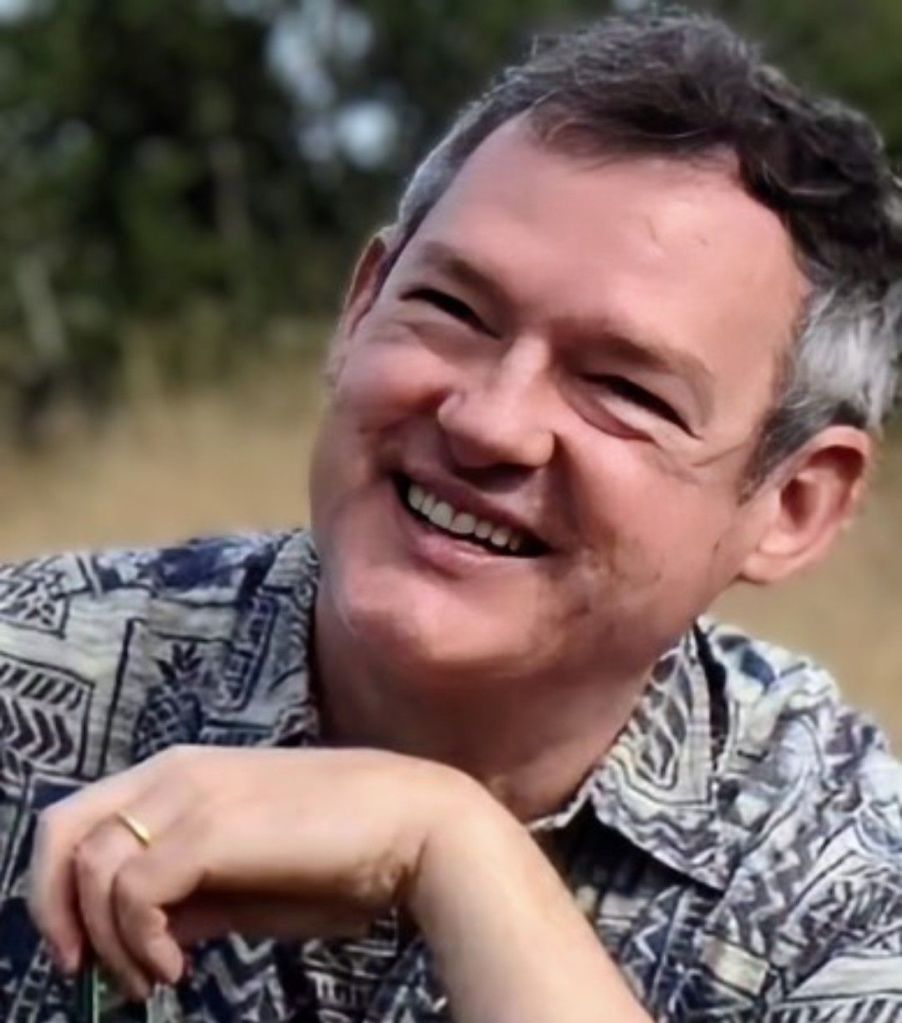
A huge thank-you to Dr. Terence Rousseau for taking the time to answer my questions and share the story behind Jenna Finds a Dog. You can find Terry on Facebook, too!
And thank you to Dea Shandera at Ascot Media Group for helping connect us and for providing a complimentary review copy of the book. I loved getting the chance to read it, ask my questions, and share this conversation with you. As always, the thoughts, opinions, and parenting chaos are my own. 💜
Let’s help these kids and be there for them. 💛
Kelly I’M ME


Leave a Reply