Death.
It’s not exactly a subject that everyone rushes to discuss.
Certainly not when we’re YOUNG AND FREE!
I mean, I just turned 40! That’s young, right?! HA! (My body says otherwise. 🤦♀️😳♥️)
I’m just thankful to still be here, with and for my kiddos.
I never know what the next day will bring. Or honestly, sometimes even the next five minutes. HAHA! But that’s just it. We never know.
Which ties directly into how I choose to live my life.
The spontaneous road trips. The adventures. Getting lost. Reading a zillion books. And sharing all those experiences with my kids.
Because I DON’T know what tomorrow will bring!
I’d rather enjoy what I’m blessed with today than regret tomorrow what I didn’t do when I had the chance—or when I’m no longer physically able to do it.
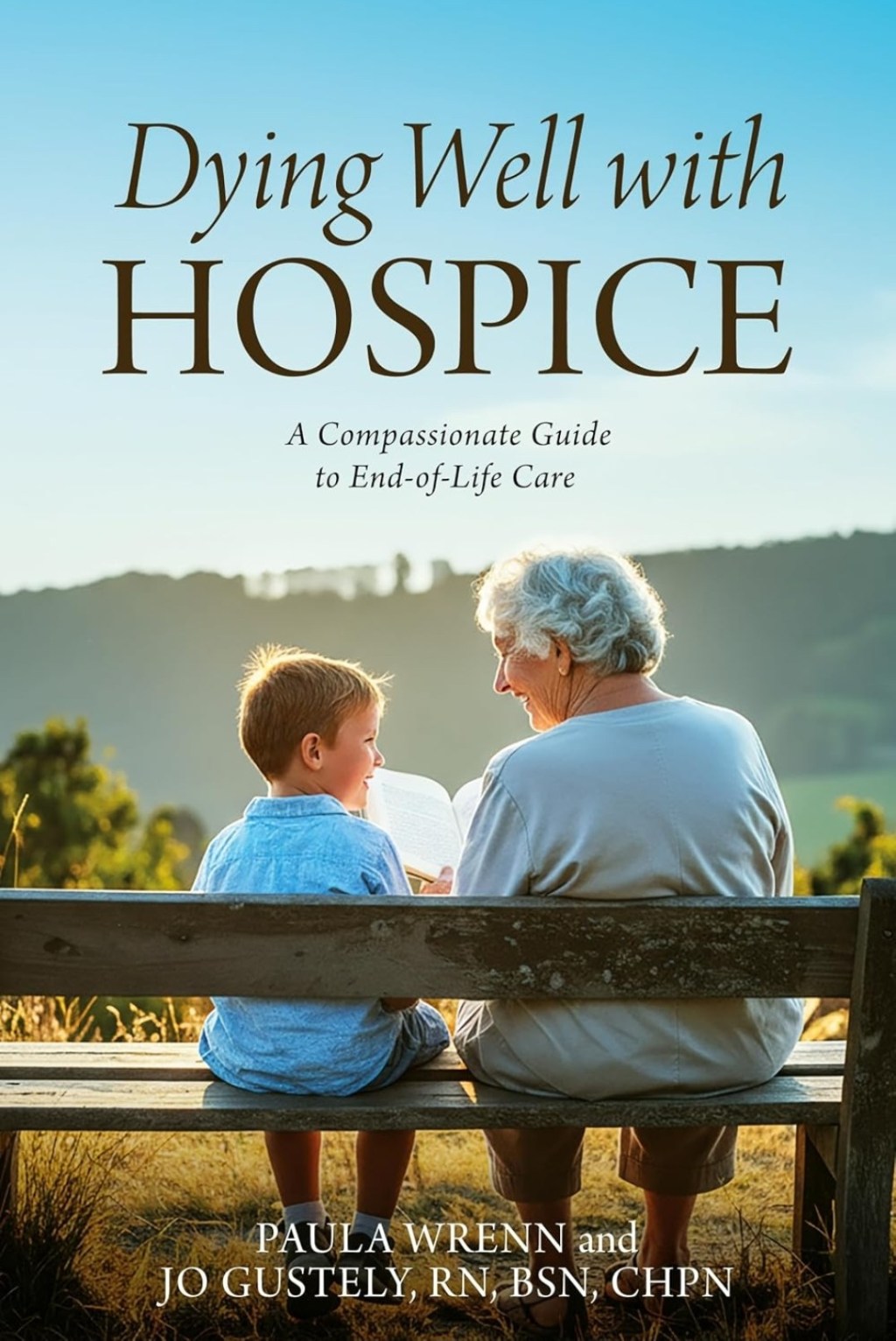
And that’s one of the things I loved about Paula Wrenn and Jo Gustely’s book, Dying Well with Hospice: A Compassionate Guide to End-of-Life Care.
Paula’s husband, Jim, was diagnosed with terminal cancer. The book follows their journey from his diagnosis through the end of his life.
As you travel through that journey with them, you gain insight into how limited time can be spent—and how much living can still happen when you know that time is running out.
Love, joy, compassion, uncomfortable conversations, fear, gratitude, and acceptance all play enormous roles when you know what’s waiting at the end of the line.
And what I particularly appreciated was that Paula didn’t hide the ugly parts.
All too often, books about difficult experiences focus on either the heartbreak or the inspirational moments. But life isn’t that simple, and neither is dying.
Jim and Paula’s journey was filled with love, but it wasn’t always easy. There were disagreements, frustrations, fears, and difficult decisions. There were also adventures, laughter, friendships, and moments of genuine happiness.
Because even when someone is dying, they’re still living.
At one point, Paula mentions that she and Jim were listening to Tim McGraw’s Live Like You Were Dying.
I’ve ALWAYS adored that song.
And reading about the two of them listening to it together, knowing what Jim was facing, gave it even more meaning.
Because that’s exactly how I’ve always wanted to live my life. I don’t want to wait until someone tells me my time is running out before I start appreciating the time I have.
I want the adventures NOW. I want the memories NOW. I want to take ridiculous detours, get lost on the way to somewhere unexpected, and experience as much of this world as I can—with the people I love.
Will I manage to do everything I want to do? Probably not. HA! My list is approximately seventeen miles long. 🤣 But I certainly intend to try.
We shouldn’t have to be dying to remember that we’re living.
Gustely, a hospice nurse who became part of Paula and Jim’s journey, played a vital role in helping them understand what would happen as Jim approached the end of his life. She provided guidance, compassion, and support. Their relationship continued beyond Jim’s death, and Paula and Jo eventually became friends and wrote this book together.
But Dying Well with Hospice doesn’t just tell Jim and Paula’s story. It introduces readers to how hospice care works. And the more I read about it, the more I thought that when my own time comes, I’d thoroughly appreciate having that kind of support and comfort available.
Having the Conversations Before They’re Necessary
It’s not FUN to think about when we’re going to die, but it is necessary. Because eventually, it’s going to happen.
Tyler and I have openly discussed quite a few things about what we’d want if one of us died or experienced a serious accident. We’ve talked about our limits if one of us were comatose in a hospital, life support, and the circumstances under which we’d want a ventilator withdrawn.
We’ve also discussed what we’d want to happen to our children if they’re still under 18 and unable to make those decisions for themselves. We don’t have a whole lot of financial assets that need divvying up at this point in our lives, so that’s one less complicated thing to worry about. HA!
But the point is, we’ve talked about it. We’re not scared to have those conversations. We recognize death as a natural part of life.
The problem? We haven’t written everything down.
Throughout the book, Paula and Jo discuss burial wishes, resuscitation and CPR, estate planning, hospice care, advance healthcare directives, and so much more.
My BIGGEST takeaway? Don’t just talk about your wishes. DOCUMENT THEM! Make sure the appropriate paperwork is completed, signed, witnessed or notarized as required where you live, and accessible to the people who might someday need it. The book even mentions recording yourself explaining your wishes as an additional way to make them clear—though a recording isn’t a substitute for legally required documents.
Of course, there’s another reality that deserves discussion. End-of-life planning and care can be EXPENSIVE.
For a family like ours, raising five children and juggling everyday responsibilities, comprehensive estate planning and funeral arrangements aren’t necessarily things we can afford to prioritize right now. That doesn’t mean we haven’t thought about them. It means we’re also trying to afford the life we’re living TODAY.
We shouldn’t have to choose between affording to live today and preparing for the day we die.
Some basic healthcare-directive forms are available at little or no cost, and hospice care may be covered by Medicare or other insurance for those who qualify. But coverage, other care expenses, and individual circumstances vary. Knowing what needs to be done and actually getting everything in order are two different things. And that’s where Tyler and I fall short.
Who Speaks for Those Who Can’t Speak for Themselves?
Another topic that stood out to me was the discussion of elderly individuals in nursing homes, especially those without family members or other advocates.
What happens when someone can no longer communicate their wishes? What happens when they never documented them at all?
Medical teams have to work within the law, existing medical orders, and standards of care. But without clear directives or someone who knows a resident’s preferences, a difficult situation can become even more complicated.
Would you want to remain on life support for years with little or no chance of meaningful recovery? I certainly wouldn’t want that for myself.
And that’s why these conversations—and the paperwork that follows—are so important.
A Slice of Life
Another part of Jim’s journey I particularly appreciated was his decision to throw what he called a “Slice of Life” party before his death.
Rather than waiting for people to gather at his funeral, he invited individuals who were important to him to come together while he was still alive. They could spend time together and say goodbye. And Jim got to be part of it.
I think that’s beautiful. What a way to say goodbye on your own terms!
We so often wait until someone dies to gather, share favorite memories, tell stories, and celebrate the impact they had on our lives. But imagine being able to tell someone those things while they’re still here to hear them.
Why should someone have to miss their own celebration of life?
The Goodbyes We Get—and the Ones We Don’t
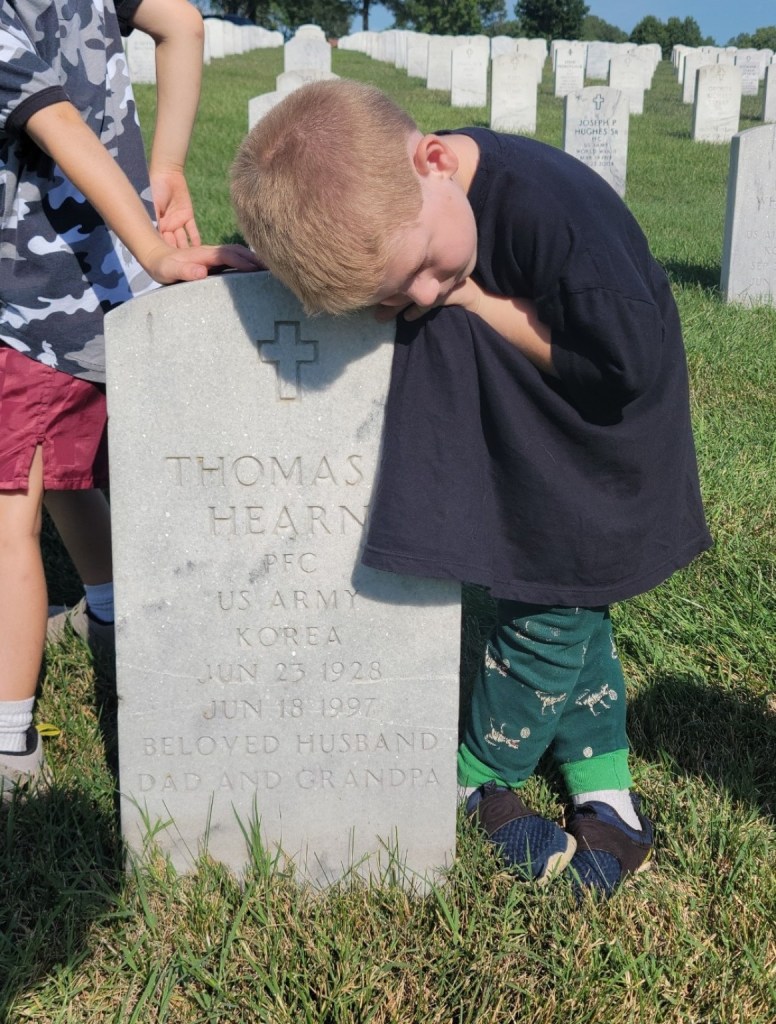
My grandpa passed away in 1997. I was 10 years old.
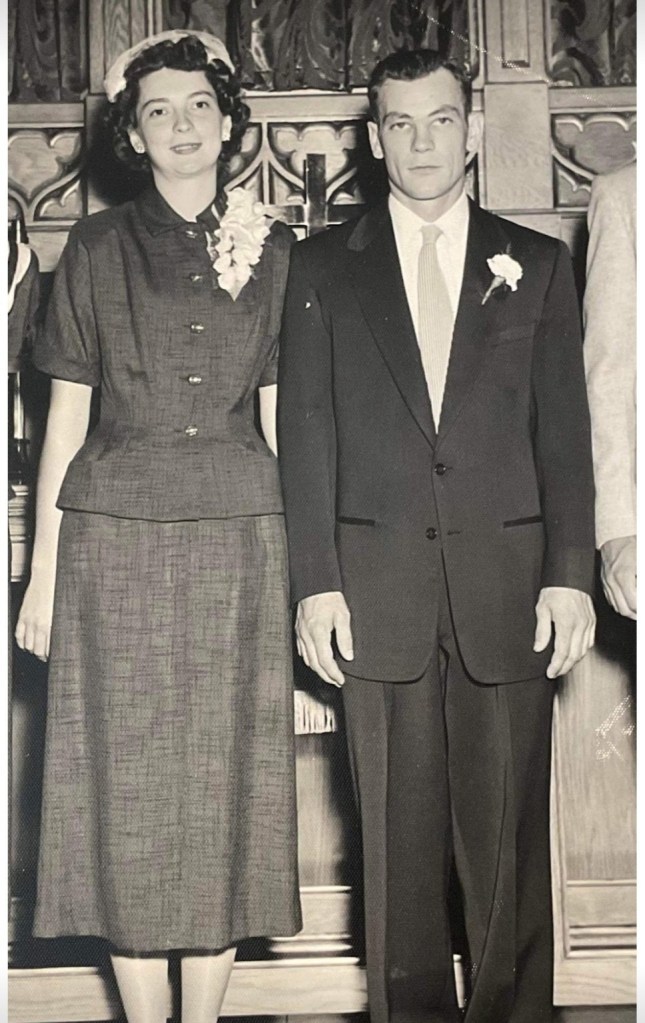
I vividly remember being at the funeral home and being absolutely DEVASTATED when my parents told me it was time to leave.
We were leaving Grandpa behind.
I don’t believe I fully understood everything that was happening at the time. But seeing him lying in that casket, unmoving, certainly nudged me toward understanding the permanence of death.
I bawled my eyes out.
Grandpa had also been diagnosed with cancer. I don’t remember much about his deterioration because we kids were largely kept away from that part of his illness. But I know it happened quickly. I believe it was only a few months between his diagnosis and his death.
Looking back, I can appreciate why the adults wanted to protect us from what was happening. But I can also mourn the fact that I never really got to say goodbye.
Would it have made a difference if Grandpa had been able to have a celebration of life like Jim’s? Would spending time with him, knowing what was coming, have helped that little 10-year-old girl understand and accept what was happening? I honestly don’t know. But maybe it would’ve hurt a little less.
Flash forward to 2019.
My grandma had been living in a nursing home for a few years, and we made it a point to visit her at least once a week. When we knew the end was near, Declan and Tristan were able to say goodbye to their great-grandma. And so was I.
By the time I said goodbye, Grandma was no longer speaking. There were a LOT of tears. But I had the opportunity to be there. To tell her goodbye. To have that final moment with her, even though she couldn’t respond.
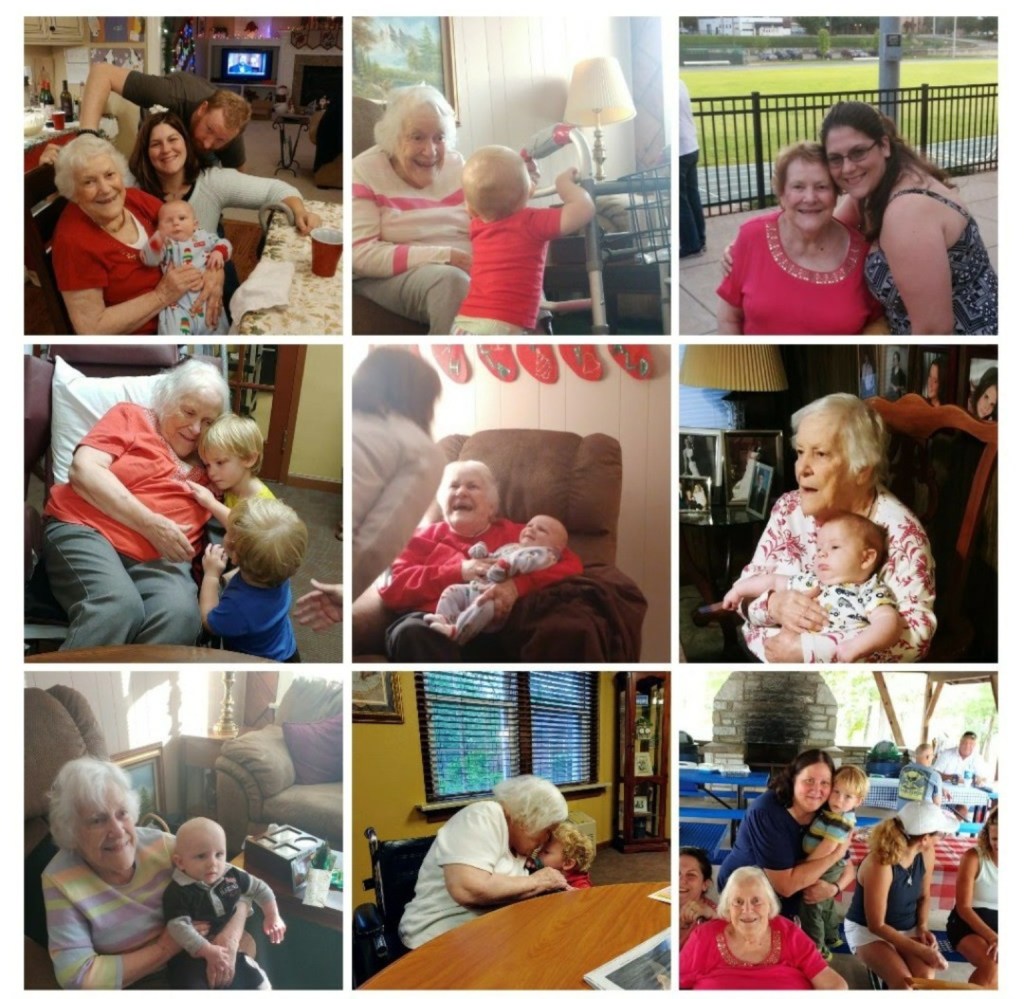
And I am so incredibly thankful for that. ♥️
It didn’t mean losing her hurt any less. It didn’t make death easier. But there was something meaningful about having the chance to say those words.
We don’t always get to choose when or how someone leaves us. Sometimes death comes without warning. Sometimes an illness moves too quickly. And sometimes we’re given the extraordinary privilege of knowing our time together is coming to an end.
Not everyone gets the chance to say goodbye.
Living While We’re Here
I don’t know what tomorrow will bring. None of us do.
But I know I want to make the most of whatever time I’m given. I want more adventures with my husband, more spontaneous road trips, more books than I could possibly finish in one lifetime, and more memories with my children.
I want to grow old. I want to see my kids grow up, discover who they are, and build lives of their own.
And someday, when my time comes, I hope the people I love won’t have to wonder what I would’ve wanted. I hope we’ve had those conversations. I hope I’ve written everything down.
Most of all, I hope they’ll know how much I loved being here with them.
Dying Well with Hospice didn’t change the way I think about death. It reminded me why the way we LIVE matters so much.
Because growing old really is a privilege denied to many. ♥️
Interested in reading Paula Wrenn and Jo Gustely’s Dying Well with Hospice? Find the book on Amazon here.
Disclosure: I received a complimentary review copy of Dying Well with Hospice. The opinions and personal reflections in this article are my own.
Have you started planning for your end of life?? I’d love to know where you started!
💓 Kelly
I’M ME



Leave a Reply