
How did a game about plants fighting zombies connect to Billie Eilish’s “bad guy”? Grammy-winning guitarist Janet Robin shares the unlikely musical story behind The String Revolution’s “Bad Zombies”—and the life lessons that helped shape her career.
By Kelly Gegg | In My Mom Era
As a mother of five, I’ve learned that inspiration can come from just about anywhere. Sometimes it comes from a book. Sometimes from an unexpected conversation. And apparently, sometimes it comes from a video game involving plants fighting zombies.
Yes. Plants. Fighting. Zombies.
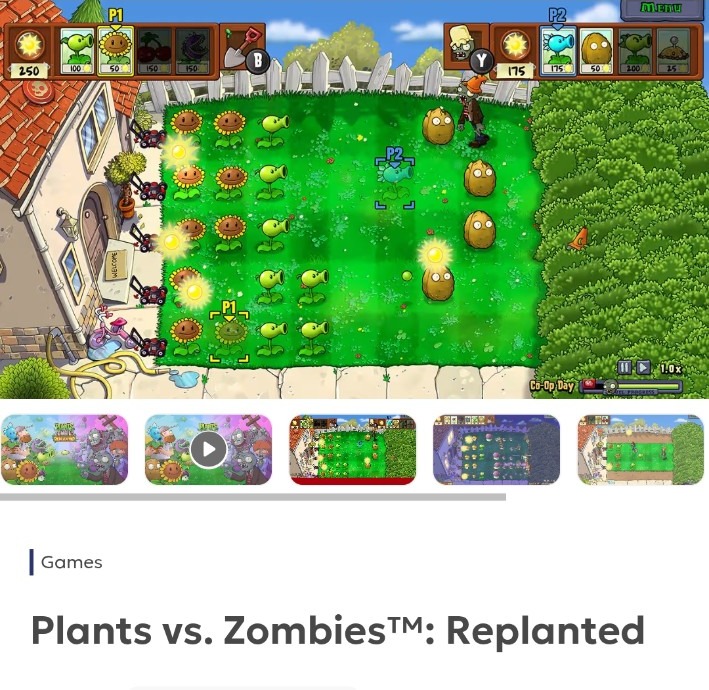
My two oldest sons, Declan and Tristan, both play Plants vs. Zombies. So imagine my surprise when I received an email explaining that music from the game reportedly helped inspire Billie Eilish’s enormously successful song, “bad guy.”
And somehow, that connection eventually brought together a Grammy-winning guitar trio, an internationally acclaimed cellist, and two of pop music’s most recognizable siblings.
Naturally, I had questions. Lots of questions.
Fortunately, Janet Robin, guitarist and founding member of The String Revolution, was willing to answer them. And what began as a conversation about video games and popular music quickly became something more interesting: a story about creativity, perseverance, rejection, family, and what success actually looks like after decades in the music industry.
How a Video Game Inspired an Unexpected Musical Collaboration
On August 14, 2026, The String Revolution released “Bad Zombies,” an instrumental collaboration featuring cellist Tina Guo. The recording combines “Crazy Dave’s Theme” from Plants vs. Zombies with Billie Eilish’s “bad guy,” incorporating original classical-inspired passages, rock influences, and musical experimentation.
According to the project’s creators, the idea originated with Steve Schnur, President of Music at Electronic Arts. Billie Eilish and her brother and musical collaborator, FINNEAS, had grown up playing Plants vs. Zombies. The game’s music reportedly provided a subtle, unconscious influence on elements of “bad guy.” Schnur recognized the connection and proposed bringing the two musical worlds together.
Janet’s initial reaction?
And I’m thinking, seriously? How the hell are we going to make THAT work?
A perfectly reasonable question, if you ask me.
Janet explained that the connection became clearer once the musicians began exploring the similarities between the two pieces. She emphasized that the relationship was about atmosphere and inspiration—not one composition copying another.
What began as an unusual mashup developed into an entirely new arrangement. The String Revolution experimented with additional sections, developed fresh ideas, and expanded the project beyond its original concept. Billie Eilish and FINNEAS reviewed the group’s arrangement ideas and demos, helping ensure the finished recording reflected the intended direction.
Then Tina Guo brought her distinctive cello playing into the mix. For Janet, the unexpected nature of the collaboration became part of its appeal. What shouldn’t necessarily work on paper can sometimes become something remarkable when musicians are willing to experiment.
Before the Grammy: Learning Guitar From Randy Rhoads

Long before The String Revolution was winning awards, Janet Robin was a young guitarist learning from someone who would become one of rock music’s most celebrated musicians: Randy Rhoads.
Yes, that Randy Rhoads.
The guitarist whose work with Ozzy Osbourne helped shape generations of rock musicians was Janet’s guitar teacher. Janet credits him with teaching her more than technical skill: discipline, musical understanding, practice, and the importance of developing her own artistic identity.
Those lessons helped shape a career that took her through numerous musical styles and collaborations. She spent several years performing with Precious Metal, an all-female rock band active during the 1980s, and later worked with Lindsey Buckingham, Meredith Brooks, Air Supply, Michele Shocked, and others.
Her experience performing with Buckingham was particularly influential. It also helped inspire the concept that eventually became The String Revolution. After undergoing two vocal cord surgeries, Janet began reconsidering her musical direction. Guitar had always been her primary instrument, and she wanted to explore creating music without relying on vocals.
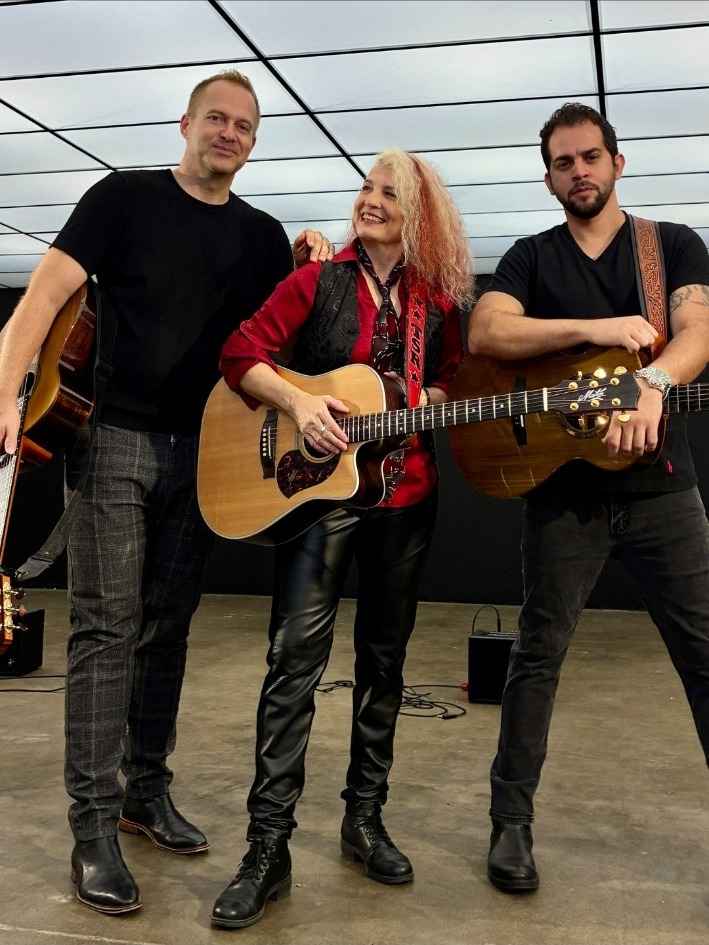
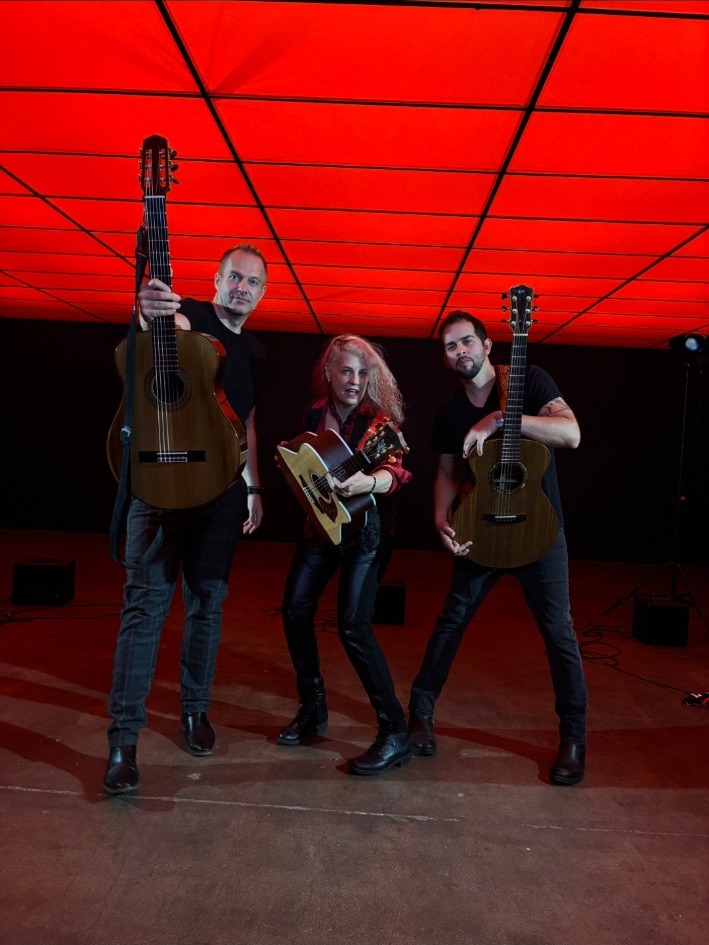
Having experienced Buckingham’s guitar-heavy touring arrangements, she began imagining what a group centered entirely on guitars could accomplish. The String Revolution brought together Janet Robin, Markus Illko, and Rober Luis, each contributing different musical experiences and approaches. Rather than viewing those differences as obstacles, Janet considers them one of the group’s greatest strengths.
Being a Female Guitarist in the 1980s Wasn’t Always Easy
Janet’s career has included incredible opportunities, but it hasn’t been free of rejection. When I asked about the obstacles she’d experienced while building a career in rock music, she didn’t pretend the industry had always been welcoming.
As a female lead guitarist during the 1980s, she encountered people who questioned her abilities before hearing her perform. Her response wasn’t to spend her career arguing with everyone who doubted her. She played. And she kept playing.
I think the biggest mistake you can make is letting somebody else’s opinion determine what you’re capable of doing.
There is something wonderfully straightforward about that advice. Whether someone dreams of becoming a musician, writing a book, starting a business, or pursuing an unconventional career, rejection can be discouraging. But Janet’s experience is a reminder that someone else’s inability to recognize your abilities doesn’t necessarily say anything about your potential. Sometimes the best response is simply to keep developing your craft.
What Winning a Grammy Actually Feels Like
In 2024, The String Revolution earned a Grammy for Best Arrangement, Instrumental or A Cappella for their collaboration with Tommy Emmanuel on “Folsom Prison Blues.” For Janet, the moment was almost surreal.
After decades of performing, touring, recording, and facing professional disappointments, she found herself receiving recognition from her fellow musicians. It was especially meaningful because the award recognized an instrumental arrangement that allowed the group to pursue its own creative direction.
But she also offered a perspective that rarely makes it into glamorous awards-show coverage. Winning a Grammy doesn’t automatically eliminate the everyday challenges of being a working musician. There are still performances to book, bills to pay, projects to promote, and audiences to reach.
The award represents an extraordinary milestone, but it doesn’t remove the responsibilities or uncertainties of an artistic career. Janet doesn’t believe it should become the sole measure of success, either. For her, the accomplishment isn’t simply that she received a Grammy. It’s that she’s continued creating music through decades of changes in an industry that doesn’t always make longevity easy.
That perspective might be my favorite part of her story. Because while awards and recognition are wonderful, there is something equally impressive about a person who continues pursuing the same passion year after year, even when success isn’t guaranteed.
The Part of a Music Career We Don’t Always See
It’s easy to picture a successful musician traveling the world, collaborating with famous artists, and performing on exciting stages. It’s harder to imagine the ordinary realities waiting behind those experiences. Emails. Contracts. Scheduling. Bills. Promotion. Family obligations. Sound familiar?
Janet explained that independent musicians often operate much like small-business owners. They may be responsible for booking performances, managing professional relationships, promoting recordings, reviewing business agreements, and finding time to practice and create.
And like many people who genuinely enjoy their work, she sometimes struggles to switch off. Her wife has been incredibly supportive throughout her career, but Janet acknowledges that maintaining a healthy balance between professional ambition and personal relationships takes conscious effort.
She has learned the importance of vacations, breaks, time with family, and simply stepping away from work. It’s a lesson she admits she’s still learning.
As someone juggling five children, a household, writing, and a growing publication, I found that especially relatable. It’s easy to become so focused on building something meaningful that you forget to enjoy the people and experiences surrounding you. Janet’s message isn’t that ambition is wrong. It’s that success means considerably less if you don’t have anyone with whom to share it.
What Janet Robin Would Tell Her Younger Self
When I asked Janet what advice she’d give herself before the Grammy, the famous collaborators, and the long career, her answer included lessons that extend well beyond music.
She would encourage her younger self to stop worrying so much about other people’s opinions. She would emphasize learning the business side of a creative career, understanding contracts, trusting personal instincts, and knowing when to say no.
Perhaps most importantly, she would remind herself not to confuse professional success with personal happiness. A recording contract, sold-out performances, or public recognition doesn’t automatically make someone fulfilled. Sometimes happiness comes from a much quieter moment: creating something meaningful alongside people you enjoy being around.
And sometimes the most important accomplishment is simply continuing to do the work you love.
Why I’m Looking at My Kids’ Video Games a Little Differently Now
When I first heard about this collaboration, I was fascinated by the connection between Billie Eilish and Plants vs. Zombies. I still am.
The idea that a video game’s music could leave an impression on two young people who would eventually become enormously successful musicians is fascinating. But Janet’s story made me think about something else.
As parents, we don’t always know which childhood experiences will leave a lasting impression. A video game might introduce a child to music. A movie might inspire an interest in storytelling. A family vacation might spark a lifelong fascination with history, architecture, or another culture.
And a hobby that seems insignificant today could become the foundation for an extraordinary career years from now.
Of course, not every hour spent playing video games is going to produce a Grammy-winning musician. If that were the case, I’d have five future award winners living in my house.
But creativity doesn’t always develop through traditional lessons or carefully planned educational activities. Sometimes children discover the things they love simply by exploring the world around them. And sometimes the influences that stay with them are the ones nobody expected.
The Real Meaning of a Musical Revolution
There’s one final thing Janet shared that deserves special attention. After decades in the music industry, multiple collaborations with famous performers, countless performances, and a Grammy, what still motivates her? Creating music.
Not awards. Not public attention. Not social media numbers. The simple experience of picking up a guitar and making something new. Even on difficult days, playing reminds her why she pursued music in the first place.
And that, to me, is the heart of this story. “Bad Zombies” might have brought two unlikely musical worlds together, but Janet Robin’s career illustrates something much bigger.
Our interests can change. Our dreams can evolve. The path we expected to follow might lead somewhere entirely different. But finding something you genuinely love doing—and continuing to make room for it throughout your life—might be one of the most meaningful accomplishments of all.
And if that journey occasionally involves a few zombies? Well, I suppose that’s just part of the adventure.
And this isn’t the first time a musician has sent me down a completely unexpected rabbit hole. My earlier feature on Drew Ryder Smith, “Textile Town,” and the stories we leave behind explores another side of what happens when music and personal history meet.
Music has a way of leading me somewhere personal, too. That’s how I ended up tracing the story of country musician Johnny Rion and the family name I passed down to my son—another musical rabbit hole with an unexpected family connection.
Coming December 6: The Full Janet Robin Interview
There’s much more to Janet’s story than one unexpected musical collaboration. On December 6, we’re opening The Interview Room for her complete written conversation: Randy Rhoads, Lindsey Buckingham, the realities of winning a Grammy, rejection, her marriage, and the love of music that keeps her going. Check back here December 6 for the full interview—and all the stories that wouldn’t fit into one feature.
Listen to The String Revolution
“Bad Zombies” featuring Tina Guo: The unexpected collaboration combining Plants vs. Zombies and Billie Eilish’s “bad guy.”
“Folsom Prison Blues” featuring Tommy Emmanuel: The Grammy-winning instrumental arrangement.
Follow The String Revolution: Instagram · Facebook · YouTube · TikTok
My heartfelt thanks to Janet Robin for sharing her time, honesty, and remarkable experiences with In My Mom Era. And a very special thank-you to Marilyn Reles-Lozano, founder of Present PR, for bringing this wonderfully unexpected story to my attention, making the introduction, coordinating Janet’s interview, providing photographs and press materials, and thoughtfully answering every follow-up question along the way. Her enthusiasm, patience, and support made this feature possible.
Connect with Present PR: Official website · Instagram (@presentmediapr) · LinkedIn · Marilyn Reles-Lozano on LinkedIn
Interview responses were provided directly to In My Mom Era. Promotional photographs and official Spotify embeds were approved for use by the artist’s public relations representative.
Enjoying In My Mom Era? If video games, music, and wildly unexpected connections are your kind of rabbit hole, subscribe to In My Mom Era for more interviews and discoveries. 🎸🧟
Still following the music down the most wonderfully unexpected rabbit holes,
Kelly, I’M ME 💜🎸





Leave a Reply