I’ve spent 20 years working in corporate America, so I’ve seen my fair share of suspicious emails. The questionable links, the urgent requests, the people claiming to represent companies you’ve never heard of. You know the drill.
Or at least, I thought I did.
Now that I’ve started building In My Mom Era, my inbox has become a revolving door of book review requests, interview opportunities, publicity pitches, and messages from people all over the place. And I LOVE it. I genuinely do.
But here’s the thing: How do you know who’s actually on the other side of that email?
With artificial intelligence making it easier to produce convincing, personalized messages, distinguishing a genuine opportunity from a scam isn’t always as simple as spotting a few misspelled words.
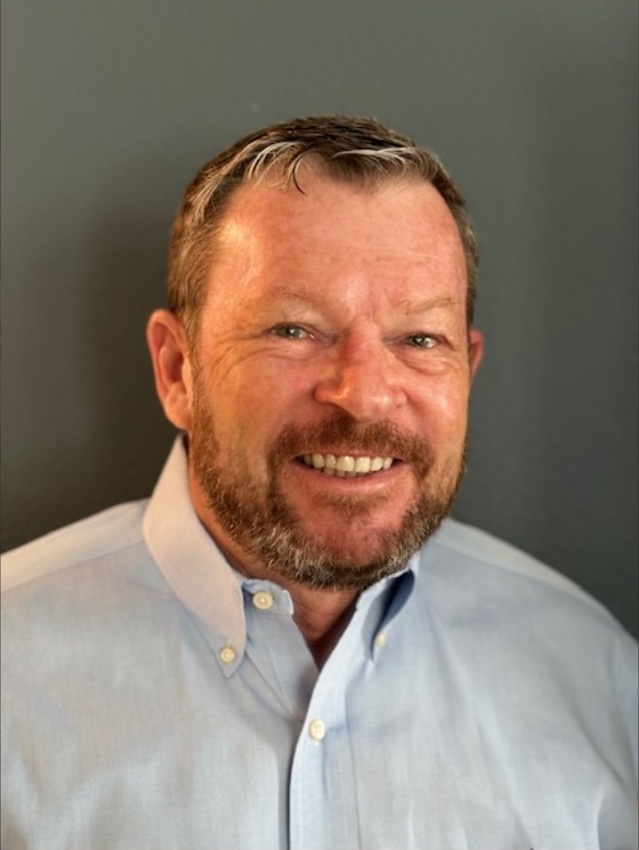
That’s where author Ray Deptula comes in. Ray is an author I’m currently working with, and I have some reading ahead of me before we dive into his books properly here on In My Mom Era. But another subject came up during our correspondence that deserved its own conversation: scams targeting authors and creators.
Ray has experienced these approaches firsthand, and he wanted to share what he’s learned in the hope of helping someone else. So, naturally, I had questions. A lot of them. 😂
In The Interview Room: 10 Questions With Ray Deptula
1. AI is everywhere nowadays — love it or hate it — and scammers are using it, too. After becoming a published author, you started receiving multiple suspicious emails daily. Did you recognize them as scams right from the beginning, or was there ever one that genuinely fooled you?
Ray: No, I did not recognize them at first, and the initial ones did fool me. I’m embarrassed to say that it took me a while to realize they were most likely AI-generated in some way. It also took me a while to realize that not all of them are scams, however they must be treated that way until and unless they can be proven otherwise.
2. I worked in corporate America for 20 years, so I became pretty familiar with scam emails myself! What were some of the first red flags you began noticing in the messages you received? Were there any that were particularly convincing?
Ray: On the face, nearly all of them were convincing. But I started to notice a pattern as well as the vast number that were just too similar. The first red flag is an email address that does not come from an actual company/entity but instead is a generic gmail, yahoo, or aol, etc. It is a common tactic for a scammer to pass themselves off as working for a legitimate business but not use the businesses’ email or to alter it slightly. Other red flags are pressuring you to do something quickly as well as a reticence to prove who they are. Instead of trying to find a red flag with the AI itself, which is difficult, try to look past the AI to how this person conducts themselves.
3. Are emails the primary way scammers have approached you, or have you encountered suspicious phone calls, text messages, or social media messages as well? We’ve heard about phone scams involving personal and banking information for years. How do you think these tactics have evolved?
Ray: The vast majority have been via email as this is the way that AI can be leveraged most effectively. However, I’ve also been approached via phone, usually with an offer to come on a TV or radio show for money. Nobody has ever asked me for banking information, however they do ask to be paid through a legitimate secure payment system. I have also been asked to give them access to social media accounts – typically they want to gain control of your account so that they can pose as you and scam others in your network.
4. With scams becoming increasingly sophisticated, do you think the technology designed to prevent fraud is keeping pace? What more should technology companies, email providers, and financial institutions be doing to protect consumers?
Ray: I’m not sure what that technology is. Once you are contacted, there is nothing to protect you except you. As a new author, my book and contact info are apparently readily available. In my opinion, the biggest thing you can do to protect yourself is to increase your awareness and spot the signs, just as you would with a pickpocket.
5. If someone realizes they’ve been scammed and has already shared personal or financial information, what do you believe their immediate next steps should be?
Ray: You need to change passwords to those accounts as quickly as possible. You need to also report the threat to your financial institutions. This is more difficult to do for any social media as it may be hard to speak with a customer service person. Once someone has managed to take control of a social media account it may be lost.
6. One thing that concerns me is how personalized scams have become. Scammers can find so much information about us through social media and other public sources. Have you received any messages that included personal details about you or your books that made them seem particularly legitimate?
Ray: The scammers did not know so much about me as much as they did my book(s). They spoke in depth about my story and in glowing terms intended to make me think my book was unique or special. First time writers are particularly susceptible to being fooled as they can be a sucker for even the least amount of attention. But the AI can make it look as though they devoured every word of your story and loved it.
7. We often hear about financial losses associated with scams, but there’s an emotional side, too. People can feel embarrassed, violated, or afraid to admit they’ve been deceived. Do you think that embarrassment prevents some victims from reporting what happened or seeking help?
Ray: I’m sure it does. I personally hate asking for help. I am very embarrassed that I was duped and would not be talking about it here except that I’m hoping that this information will help someone else. But for me, looking inside myself, the emotional pain motivated me to do better not to let it happen again.
8. As a mother of five, I think about how these scams affect different generations. Children are growing up online, while many older adults are trying to navigate technology that changes constantly. Do you think certain groups are especially vulnerable to particular scams, and how can families help protect one another without creating unnecessary fear?
Ray: It really boils down to gaining situational awareness, which anyone can learn. Obviously, if you are not familiar with technology you may have a harder time learning. I lived in Europe for a decade where, in some areas, there was a lot of petty theft. Once I learned that it existed and what to look for, it did not stop me from going to those places and I was never bothered. It is a matter of education.
9. Sometimes legitimate opportunities and fraudulent pitches can look remarkably similar. For authors, bloggers, entrepreneurs, and content creators who regularly receive unsolicited offers, what practical steps would you recommend for determining whether an opportunity is genuine before responding?
Ray: I now consider every pitch a scam until that person proves to me that they are not. This is actually hard for them to do but I will still put the onus on them. You can ask them to send you an email through the business they claim to represent or contact that business and ask if they work there. In general, I do not give anything to anybody unless I know them personally or they have been referred to me by someone I trust – I tell these people that up front and force them to work hard if they want to change my mind, which they usually never do. These folks are dishonest, which means they are selfish and lazy, and the last thing they want to do is work hard.
10. Finally, if there’s one thing you wish every person understood about scams in today’s digital world, what would it be?
Ray: You need to treat your published work like a business – because it is. Never believe anything purely on the face of it, no matter how good it sounds. Just like every other criminal in this world, these folks prey on the weak and unsuspecting. There is no opportunity for which it is worth taking a chance on getting ripped off. Once they initiate contact, turn the tables and force them to prove they are legitimate. If you cannot adequately vet them, do not do any business, make an agreement, or provide information. Most legitimate entities that want you to participate with them for reviews, interviews, etc. will not try to charge you for that. AI is powerful, but common sense and business sense are even more powerful. If you never give money to someone you don’t know and trust, you will never be ripped off by them.
A Few Final Thoughts
You know what stood out to me the most about this conversation? Not the technology. Not even the scams themselves. The fact that Ray admitted he was fooled.
I think there’s a misconception that people who fall for scams must not be paying attention. But the whole point of a scam is to deceive someone. When you’ve put months or years into writing a book, I can understand how exciting it must be to hear from someone who seems genuinely interested.
I get excited about opportunities, too! I don’t want to assume every new connection has bad intentions. But I also don’t want to be naive. Being cautious doesn’t mean we have to stop being excited about opportunities. It means checking that those opportunities really are what they claim to be.
No single precaution guarantees protection: scammers can impersonate legitimate businesses and use seemingly normal payment methods. Independently verify contacts, protect your accounts with strong passwords and multifactor authentication, and act promptly if something goes wrong.
For consumer guidance and reports, visit the FTC’s ReportFraud.gov or IdentityTheft.gov.
A huge thank-you to Ray Deptula for being willing to talk about the uncomfortable parts of his experience in the hope that someone else might benefit.
More From Ray Deptula
Coming soon to In My Mom Era. I’m also working with Ray on coverage of his books. Once I’ve read them, I’ll be sharing more about his writing and my thoughts here on the blog. In the meantime, visit Ray’s official author website, find him on Facebook (ray.deptula), or follow Instagram (@raydeptulaauthor). Featured portrait used with Ray’s permission; photo credit: raydeptulaauthor.com.
Until then, keep reading, keep asking questions, and maybe think twice before clicking that link from someone claiming your book is the greatest thing they’ve ever read. 😂
Have you ever received an email or opportunity that seemed too good to be true? Tell me about it in the comments—but please don’t share personal or sensitive information.
Part of In The Interview Room, an In My Mom Era series. Ray’s answers reflect his personal experiences and opinions; assertions about AI involvement are not independently confirmed.




Leave a Reply