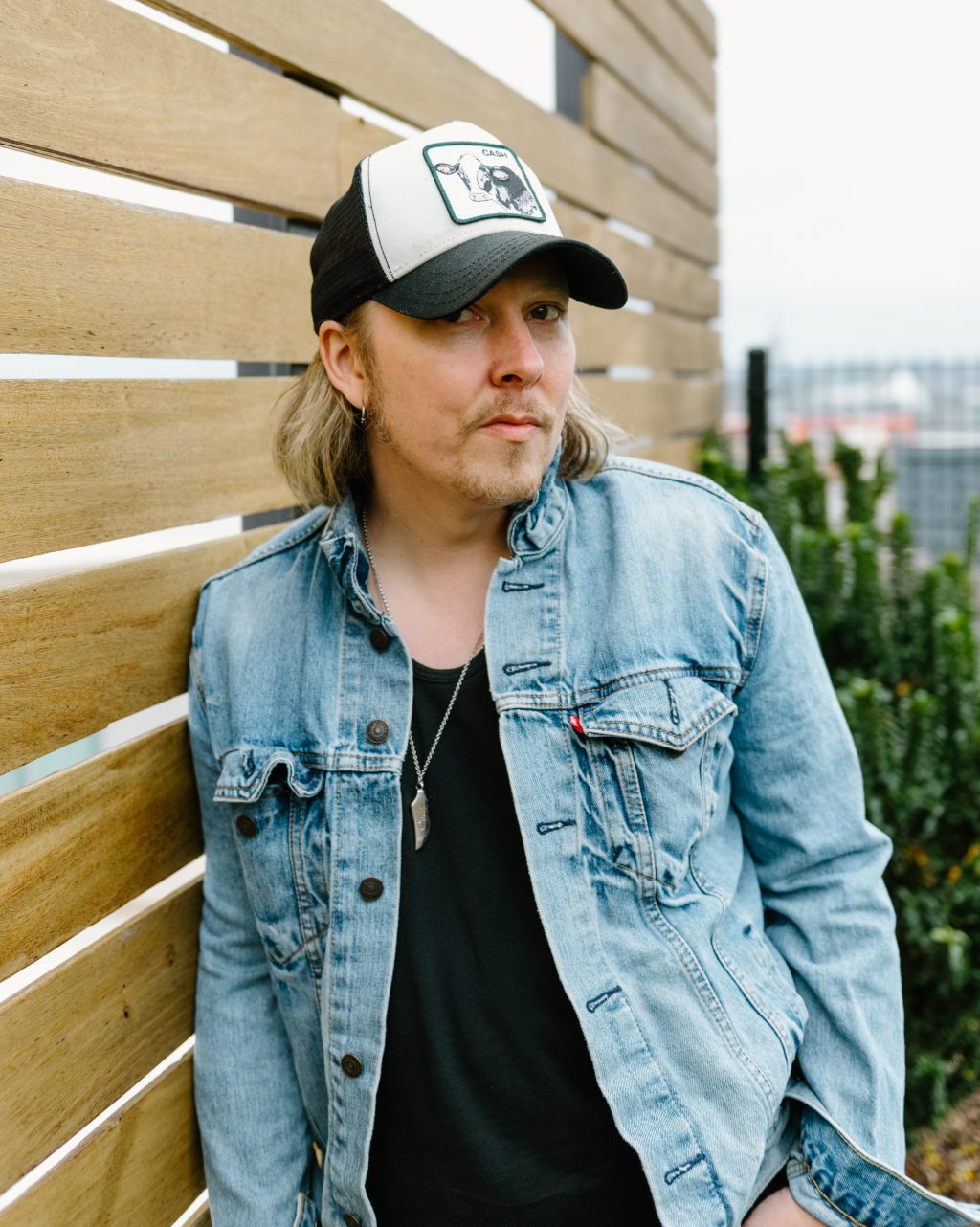
Some interviews begin with a musician’s latest album. This one began with an abandoned town.
When I learned about Drew Ryder Smith’s “Textile Town,” featuring Steve Earle, I was immediately intrigued. The song was inspired by the remains of a once-thriving South Carolina textile mill community. And if you’ve spent any time around In My Mom Era, you know I have a thing for old places and the stories of the people who lived there.
I wanted to know what Drew saw, what stayed with him, and how that place connected to his own family’s history. Naturally, I had questions. Lots of questions. LOL.
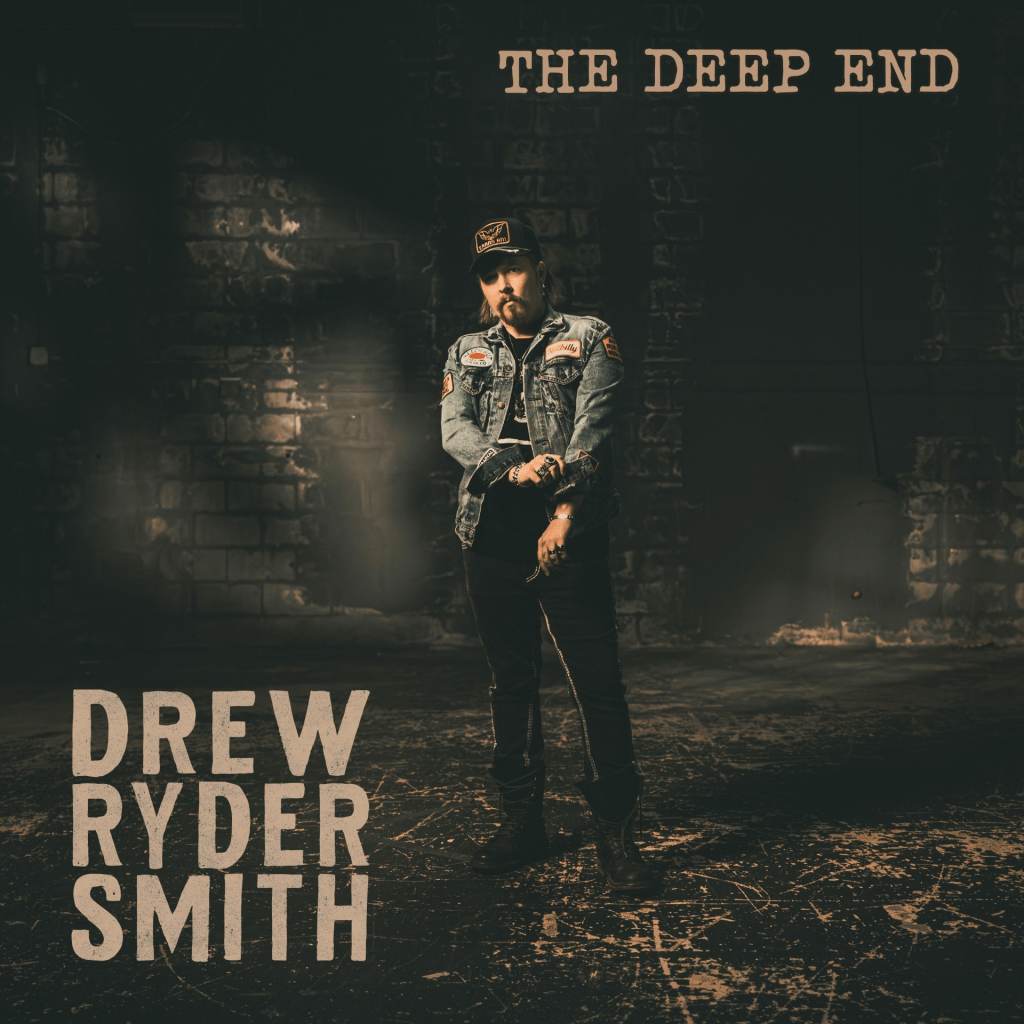
To celebrate the October 28 release of The Deep End, Drew kindly answered twelve of them. We talked about factory work, forgotten communities, Steve Earle, family voices preserved on the album, and the stories we leave behind.
Welcome to The Interview Room.
Question 1
Kelly: My family and I have driven through countless little towns where the storefronts are empty, buildings are deteriorating, and you can almost picture what Main Street looked like 50 or 100 years ago. When you drove through the South Carolina town that inspired “Textile Town,” was there one particular detail that stayed with you long after you’d left?
Drew: Just the emptiness of it all. The foundations of all these places were still there—the mill, the hospital, the school. Some of the chimneys were still standing, too. And even though so much of it was gone, you could almost visualize the people still working and living there. You could almost see what life must have looked like in that place.
Question 2
Kelly: We often talk about preserving historic buildings, but I’m fascinated by the ordinary lives that unfolded inside them. If you could sit down with someone who worked in that textile town during its heyday, what would you most want to ask them?
Drew: I think I’d want to ask them about the energy of it all. You had this textile mill move into what was basically farmland, and suddenly it created opportunities for so many people. It gave people lives they probably never imagined having.
I’d love to know what that felt like on a day-to-day basis. The hustle and bustle, the excitement, the energy of watching something like that just explode from practically nothing.
Question 3
Kelly: Your grandmother and great-grandmother both worked in factories. Did writing this song change the way you thought about their lives, or make you wish you’d asked them questions you never thought to ask when you had the chance?
Drew: I actually went on a field trip when I was in kindergarten or first grade to the factory where my grandmother worked. I remember getting to see her working on the line.
Thinking about it now, I think about all those hours she spent every single day standing in pretty much the same spot, on her feet.
I think what I’d want to ask her now is how she did that for so many years. Did it ever get monotonous? How do you do something like that, day after day, year after year?
Question 4
Kelly: There’s a fine line between honoring the past and romanticizing it. How do you write about the pride and sense of community associated with mill towns without overlooking the hardships that came with that way of life?
Drew: I think the sense of community was probably much stronger back then because, in a mill town, that was really the job in town. So many of the women had husbands who worked at the mill, and a lot of the women worked there themselves. The kids all went to school together, and their parents were mill workers.
Everybody had this very common thread, pardon the pun.
So I think that created a stronger sense of community. But ultimately, they still had bills to pay, houses to maintain, mortgages, and all the same kinds of responsibilities we have today. In that sense, I don’t think a lot of those hardships were really that different from what people deal with now. Working conditions have definitely improved, so we’re spoiled in that sense.
Question 5
Kelly: I have five children, and one of the reasons we travel so much is that I want them to understand that the world existed long before they arrived in it. If a family drove through the town that inspired “Textile Town” today, what would you hope the parents would tell their children about the people who once lived there?
Drew: I would hope they’d help their children understand that so many of the things we have today are because of people who came before us. People who worked incredibly hard jobs, often under really difficult conditions, to help build the country and the communities that we get to live and thrive in today.
Question 6
Kelly: I love that “Textile Town” has an old-school country feel. When you were putting it together, did you intentionally lean toward a more traditional sound because of the subject matter, or did the music naturally develop that way?
Drew: It developed pretty naturally. My style isn’t that far removed from traditional country music anyway. I write a lot of songs in that style, so it wasn’t unnatural for me to go in that direction.
But I think the subject matter certainly pushed it even further toward that traditional sound.
Question 7
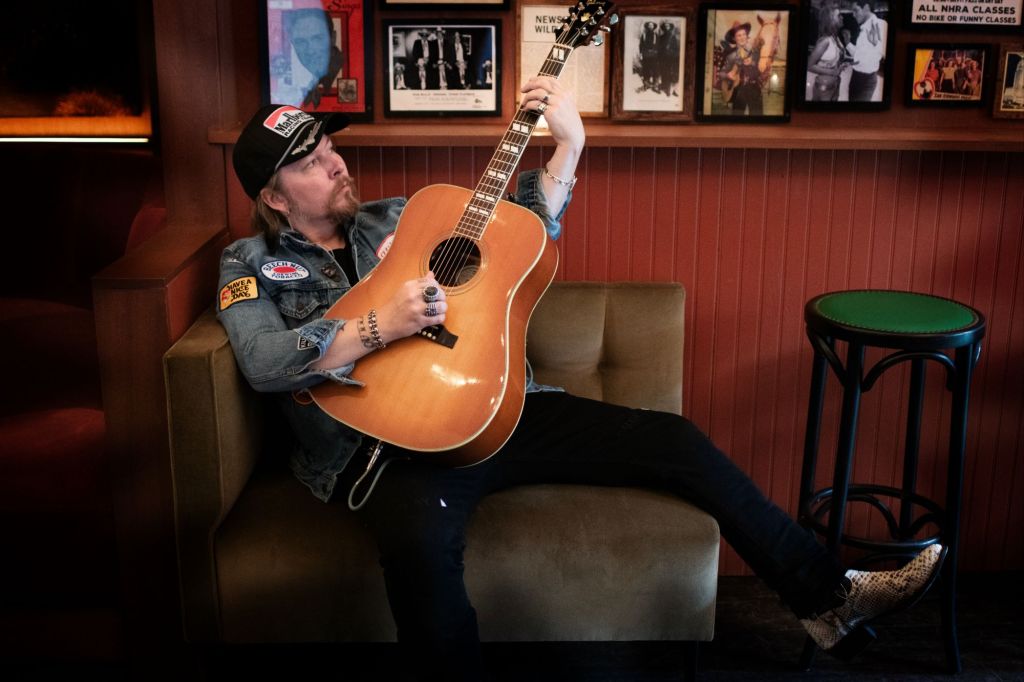
Kelly: You’ve spoken about growing up listening to Steve Earle, but I’m curious about something different: once he joined the recording, did hearing his voice alongside yours change how you understood your own song?
Drew: I think it gave me a certain amount of affirmation, not only as an artist and a songwriter, but for the song itself.
From the time we started writing it, it just felt like a Steve Earle song to me. So to actually have him become part of the recording gave it an entirely different weight than I could have ever imagined.
Question 8
Kelly: You’ve spent years writing behind the scenes for other artists before stepping forward with deeply personal material of your own. Is there something about your life or perspective that you can express more freely now than you could ten or twenty years ago?
Drew: I think there are things I’m willing to say as an artist that other artists might not necessarily be comfortable saying.
So I probably write from a different place now. I’m not writing with another artist in mind anymore. I only have to think about myself, and that allows me to say things more freely and, at times, be a lot more honest.
Question 9
Kelly: I read that The Deep End incorporates recordings of family members’ voices. What was it like hearing those voices become part of a finished record? Did it ever feel less like producing music and more like preserving a piece of your family’s history?
Drew: Yeah, absolutely. I feel like we created a bit of a time capsule with this record.
I was able to find all these old recordings of family members and friends, and so many of those people aren’t with us anymore.
Being able to include their voices on the album was my way of making them part of this record.
Question 10
Kelly: When your family listens to the album, are there things they’ll recognize that an ordinary listener might never notice? Little references, sounds, or memories that belong to them as much as they belong to you?
Drew: Oh, for sure. I think especially with my song “Bloodline.”
My family knows exactly what I’m talking about with all the references in that song. Other people might not necessarily understand all the complexities of it, but my family certainly does.
Question 11
Kelly: You’ve spent years helping other artists tell their stories. Has that experience made you more protective of your own stories, or more willing to share them?
Drew: I think it’s made me more protective in the sense that there are things I write now that I wouldn’t want anyone but me to record.
So yeah, I’d say I’m probably a little more protective of those stories now.
Question 12
Kelly: Imagine someone discovers “Textile Town” fifty years from now, long after the places that inspired it have changed again. What would you hope that person understands about the people and communities you were trying to remember?
Drew: I guess I’d hope they understand that time marches on. There’s nothing we can do to change that or stop it.
We just continue.
The Stories We Leave Behind
What I love about this conversation is that it reaches far beyond music. Behind every abandoned building and old family photograph are people who lived entire lives we may never fully understand. Sometimes a song gives us a chance to remember them.
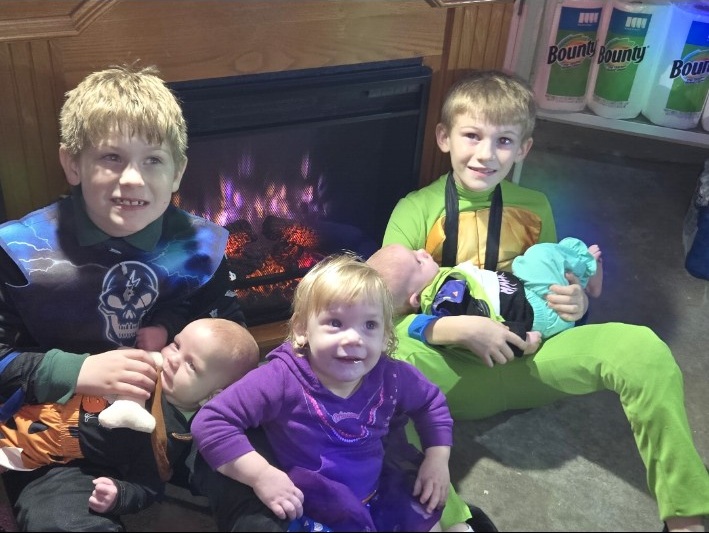
I also listened to The Deep End with Tyler and all five kids, which led to a completely unexpected contribution from our two-year-old son, Colton. 😂
Read my companion feature, “The People Who Came Before Us: Drew Ryder Smith, ‘Textile Town,’ and the Stories We Leave Behind.”
About Drew Ryder Smith
Drew Ryder Smith is a Nashville-based singer-songwriter whose work has been recorded by artists including Merle Haggard and Randy Houser. His new album, The Deep End, produced by Glenn A. Tabor III, features Steve Earle and Rhonda Vincent and releases October 28, 2026.
Follow Drew: Official website · Instagram · Facebook · YouTube
Special thanks to Drew Ryder Smith for sharing his time and stories, and to Crystal Henderson at The Press House for coordinating this interview and providing press materials.
Disclosure: I received advance access to The Deep End for editorial consideration. All opinions are my own.
Warmly,
Kelly 💜 I’M ME
In My Mom Era



Leave a Reply